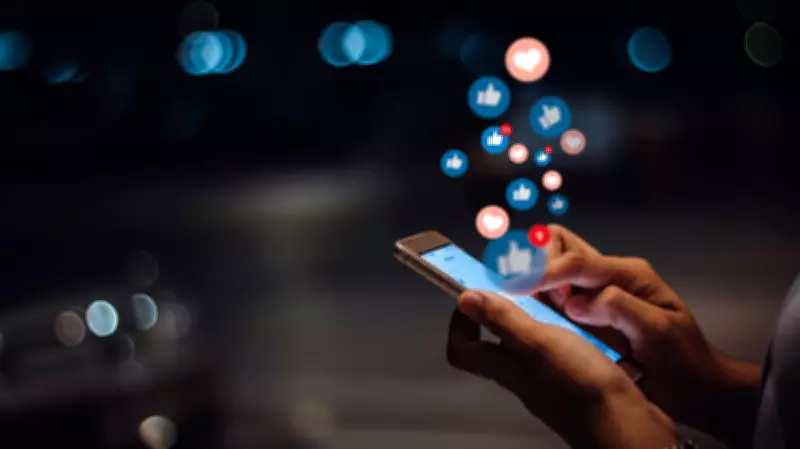
The Era of the Staged Life: When Reality Bends to the Feed
In today's hyper-connected world, social media has become an integral part of daily existence, transforming how we perceive and present ourselves. A growing phenomenon is the tendency for individuals to meticulously stage their lives for online consumption, crafting curated narratives that often diverge from genuine reality. This practice, driven by the relentless pursuit of likes, shares, and followers, raises profound questions about authenticity, mental health, and the very nature of human interaction in the digital age.
The Mechanics of Staging: How Platforms Fuel the Performance
Social media platforms are engineered with algorithms that prioritize engagement, subtly encouraging users to present idealized versions of themselves. Features like filters, editing tools, and strategic posting times enable individuals to construct polished personas. This staging is not merely about sharing moments but involves a calculated effort to project success, happiness, and perfection. As a result, feeds become galleries of highlight reels, where mundane or challenging aspects of life are often omitted or altered to fit a desirable aesthetic.
The pressure to maintain this facade can be immense, leading to a cycle of comparison and validation-seeking. Users may feel compelled to continuously outdo their previous posts or mimic trends seen online, further blurring the line between authentic expression and performance. This dynamic is particularly pronounced among younger demographics, who have grown up with social media as a primary medium for social interaction and self-definition.

Psychological Impacts: The Toll on Mental Well-being
The consequences of living a staged life extend beyond the screen, significantly affecting mental health. Constant comparison to curated online personas can foster feelings of inadequacy, anxiety, and depression. Research indicates that excessive social media use is linked to lower self-esteem and increased loneliness, as users may perceive their own lives as less fulfilling in contrast to the seemingly perfect existences displayed online.
Key psychological effects include:- Increased anxiety and stress from the pressure to maintain an online image.
- Erosion of self-worth due to constant comparison with others.
- Diminished authentic social connections, as interactions become more transactional and performance-based.
- Potential for identity confusion, where the staged self overshadows the real self.
Moreover, the staged nature of social media can distort reality, making it difficult for users to distinguish between genuine experiences and manufactured ones. This can lead to a sense of disconnection from one's own life, as the focus shifts from living in the moment to documenting it for online approval.
Societal Implications: Shaping Culture and Relationships
Beyond individual psychology, the trend of staging life for social media feeds has broader societal implications. It influences cultural norms around success, beauty, and happiness, often promoting unrealistic standards. For instance, the glorification of certain lifestyles or body types can perpetuate harmful stereotypes and exclusionary practices.
In relationships, the staged life can complicate dynamics, as partners or friends may feel pressured to participate in or uphold online personas. Authentic communication may suffer, replaced by performative gestures aimed at public validation. This can weaken the foundation of trust and intimacy that underpins healthy relationships.
Additionally, the commercial aspect cannot be ignored. Influencers and brands capitalize on staged content, turning personal lives into marketable commodities. This blurs ethical boundaries, as sponsored posts and advertisements are often seamlessly integrated into feeds, further muddying the waters of authenticity.Navigating the Digital Landscape: Towards a More Authentic Future
Addressing the challenges posed by staged lives requires a multi-faceted approach. On an individual level, cultivating digital literacy and mindfulness can help users engage with social media more critically. This includes recognizing the curated nature of online content, setting boundaries for usage, and prioritizing real-world connections.

- Limit screen time and take regular breaks from social media to reconnect with offline experiences.
- Practice authenticity by sharing a balanced mix of positive and challenging moments, fostering genuine connections.
- Engage in self-reflection to understand motivations behind posting and seek validation from within rather than external sources.
On a broader scale, social media platforms have a responsibility to design features that promote well-being over mere engagement. This could involve algorithm changes to reduce comparison-driven content, tools for users to manage their online presence more healthily, and initiatives to educate about the impacts of staged living.
Ultimately, the staged life phenomenon underscores a critical need for a cultural shift towards valuing authenticity in the digital realm. By fostering environments where imperfection is accepted and real connections are celebrated, we can mitigate the negative effects and harness social media's potential for positive, meaningful interaction.