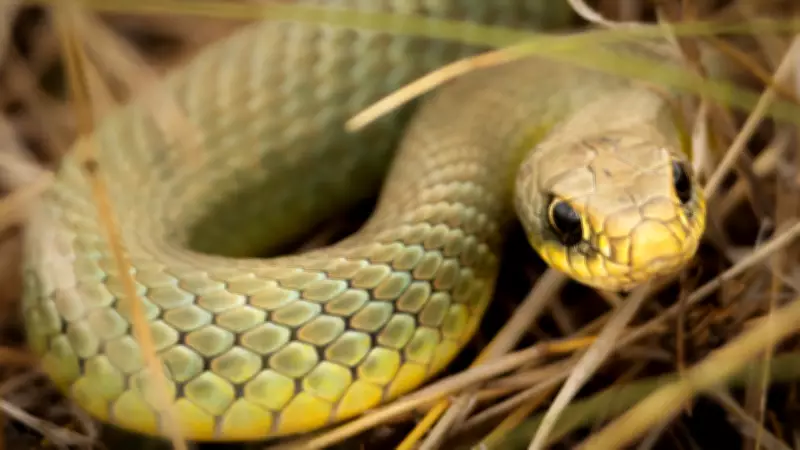
Snakes are often associated with underground burrows, secret passages, and holes in forests, fields, and pastures. However, very few snakes actually construct their own burrows. Instead, these reptiles rely on pre-existing burrows created by other animals such as rats, rabbits, tortoises, termites, and even foxes. Scientists studying snake behavior, reptile ecology, and underground environments understand that snakes prefer to conserve energy by avoiding the strenuous task of digging. By utilizing existing burrows, snakes gain shelters for thermoregulation, protection from predators, breeding, and refuge from harsh climatic conditions.
Why Snakes Do Not Usually Build Their Own Burrows
Unlike animals such as moles and rabbits, snakes lack the physical attributes necessary for extensive burrowing. Although their long bodies allow them to slither into cramped spaces, they are ill-equipped for moving soil. A paper published in the National Library of Medicine explains that snakes are ectothermic, relying on environmental temperatures to regulate their body heat. Burrowing enables snakes to stay cool during summer and find warmth during cold periods. Rather than expending valuable energy digging, snakes make use of pre-existing habitats. For example, rodent burrows are ideal because they are tight, insulated, and located near food sources. Scientists have noted that snakes seize any opportunity for refuge, seeking shelter in burrows, hollow logs, rock crevices, and debris piles. Despite their ability to dig in sandy areas, species like sand boas and shieldtail snakes rarely create elaborate tunnels.
Which Animals Unknowingly Build Homes for Snakes
Surprisingly, several animal species inadvertently become architects of shelters used by snakes. Rats and mice, for instance, contribute significantly by creating underground tunnel systems that are highly desirable for snakes. On farms where grain attracts rodents, cobras, rat snakes, and kraits commonly use rat burrows as temporary shelters. Tortoises are another important group; according to the Florida Fish and Wildlife Conservation Commission, gopher tortoise burrows in North America host over 350 species, including snakes, frogs, insects, and mammals. Other structures like termite mounds and abandoned fox dens also serve as snake shelters. Fallen tree roots and natural holes in forests provide additional refuge. Herpetologist Dr. Harry Greene, in his book Snakes: The Evolution of Mystery in Nature, writes that snakes have become adept at exploiting available space rather than engineering it.

How Underground Burrows Help Snakes Survive
Burrows are crucial for snake survival, acting as shields against natural threats and severe weather. Below-ground environments maintain more stable humidity and temperature compared to the surface. During extreme summer heat, snakes retreat underground for protection. Many species hibernate in burrows during cold winters. Female snakes also lay eggs underground to safeguard them from predators. Additionally, burrows aid in hunting; rodents like mice travel through tunnels, giving snakes easy access to prey. Since snakes rely on concealment, underground burrows provide an ideal ambush point.
The Hidden Ecological Connection Between Snakes and Other Animals
The interaction between snakes and digging animals highlights the interconnectedness of ecosystems. A single burrow created by one animal can host dozens of species throughout its lifespan. Wildlife researchers note that this symbiosis contributes to ecological balance. Snakes act as natural predators of rodents, while abandoned burrows serve as shelters. Moreover, snakes help protect agricultural lands and reduce carriers of contagious diseases. Despite human prejudice, the reliance on homes built by other animals reveals that snakes are not as independent as they seem. Instead of digging their own holes, they prefer to use the infrastructure nature provides.