

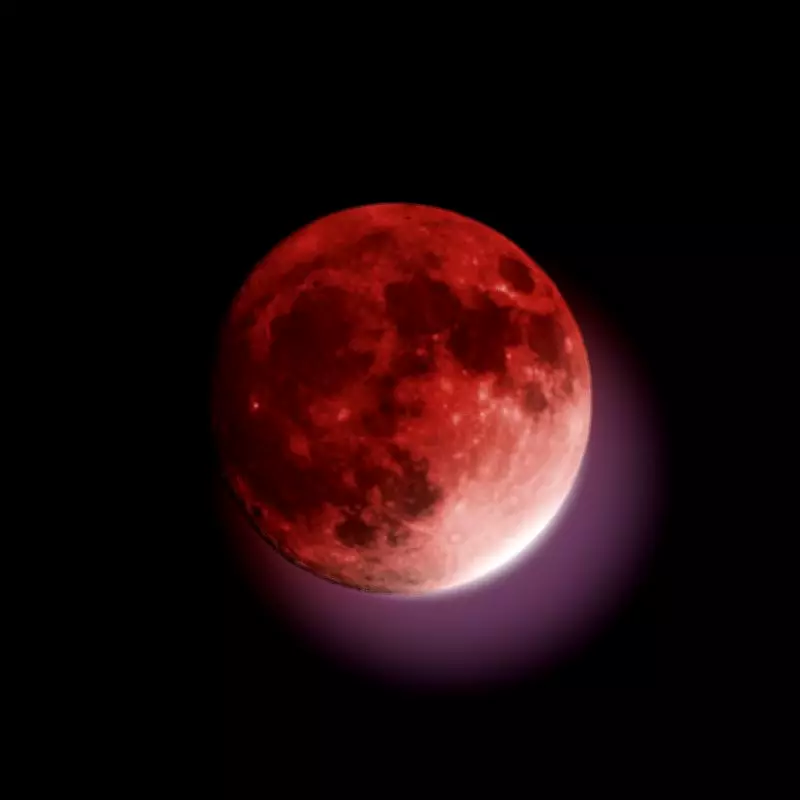
Total Lunar Eclipse Today: Moon to Turn Blood Red in Spectacular Celestial Event
A total lunar eclipse is set to grace the skies today, transforming the moon into a striking blood red hue. This rare astronomical phenomenon will be visible from various regions, including India, providing skywatchers with a breathtaking visual spectacle. The event marks a significant moment for astronomy enthusiasts and the general public alike, as the moon passes completely into Earth's shadow.
What to Expect During the Eclipse
The lunar eclipse will unfold in several distinct phases, beginning with the penumbral stage where the moon enters the outer part of Earth's shadow. This will be followed by the partial eclipse, leading up to the total eclipse when the moon takes on its characteristic red color. The total phase is expected to last for a considerable duration, allowing ample time for observation.
Visibility Across India: The eclipse will be visible from all parts of India, weather permitting. Observers in major cities like Delhi, Mumbai, Kolkata, and Chennai should have clear views if skies are unobstructed. The timing of the event is favorable for evening viewing, making it accessible to a wide audience.

Why the Moon Turns Red
During a total lunar eclipse, the moon does not disappear entirely but instead glows with a reddish tint. This occurs because Earth's atmosphere scatters sunlight, filtering out blue light and allowing red wavelengths to pass through and illuminate the moon. This effect, often referred to as a blood moon, is a natural result of atmospheric optics and adds to the eclipse's dramatic appeal.
How to Watch the Eclipse Safely
Unlike solar eclipses, lunar eclipses are completely safe to view with the naked eye. No special equipment is required, though binoculars or telescopes can enhance the experience by providing a closer look at the moon's surface details. For the best viewing, find a location with minimal light pollution and a clear horizon.
- Check local weather forecasts for cloud cover.
- Use apps or online resources to track eclipse timing in your area.
- Consider joining public astronomy events or watching live streams if visibility is poor.
Significance and Cultural Aspects
Lunar eclipses have long held cultural and scientific importance. In many traditions, they are seen as omens or spiritual events, while in modern astronomy, they offer opportunities for research and public engagement. Today's eclipse is part of a series of celestial events this year, highlighting the dynamic nature of our solar system.
As the moon turns blood red, it serves as a reminder of the wonders of space and the importance of preserving dark skies for future generations. Whether you're an avid stargazer or a casual observer, this eclipse promises to be a memorable experience.






