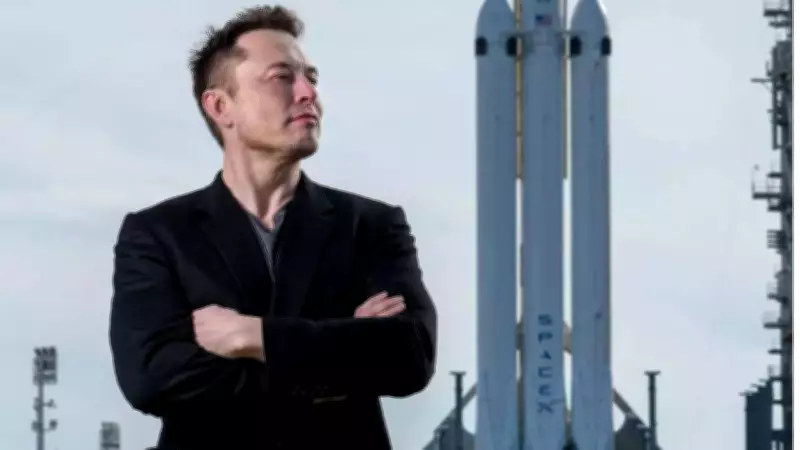
SpaceX's Texas Hiring Hurdle: Musk Reveals 'Significant Other' Problem at Starbase
Elon Musk has publicly disclosed that SpaceX is encountering significant hiring challenges in Texas, primarily due to difficulties faced by married engineers and technicians in relocating their families. During a recent extensive podcast interview, the CEO of both Tesla and SpaceX elaborated on the obstacles that arise when skilled professionals attempt to move to areas with severely limited employment options for their spouses.
The Core Issue: Limited Opportunities for Spouses
The problem is especially pronounced at SpaceX's primary launch site and operational headquarters in South Texas, known as Starbase. Musk explicitly identified this as the "significant other" problem, highlighting that the remote location offers few job prospects outside of SpaceX itself. "For Starbase, that was particularly difficult, since the odds of finding a non-SpaceX job are pretty low," Musk stated during his conversation with tech podcaster Dwarkesh Patel and Stripe cofounder John Collison.
This recruitment difficulty stems from the strategic relocation of both SpaceX and Tesla headquarters from California to Texas. While the move has operational benefits, Musk acknowledged it has created unforeseen hurdles in attracting and retaining top-tier married talent, including technicians, engineers, and scientists who face substantial barriers when attempting to bring their families to certain regions of the state.

Contrasting Environments: Starbase vs. California
The stark isolation of Starbase is a key factor in this hiring challenge. Established in 2019 for rocket building and testing, the facility is situated in a sparsely populated area near the US-Mexico border, adjacent to the largely undeveloped Las Palomas Wildlife Management Area. The nearest city, Brownsville, is approximately a 40-minute drive away and has a population of around 187,000 people.
This remoteness creates a dramatic contrast to SpaceX's former headquarters in El Segundo, California, which was minutes from Los Angeles and embedded within a vast, diverse job market. Musk described Starbase as "like a technology monastery thing. Remote and mostly dudes," underscoring the unique and challenging environment for family relocation.
Comparative Analysis: Tesla's Experience in Austin
Tesla, which moved its headquarters from California to Austin in 2021, faces a similar though less severe version of this challenge. The electric carmaker's Giga Texas campus is about a 30-minute drive from downtown Austin, a city with a population nearing one million residents. Additionally, Tesla continues to maintain significant robotics, energy, and manufacturing operations in California, with many top executives having relocated to Texas.
Musk provided context, noting, "Tesla being engineering, especially being primarily in Silicon Valley, it's easier for people to just... They don't have to change their life very much. Their commutes are going to be the same. Tesla still has a majority of its engineering in California." This comparison highlights how Tesla's more integrated presence in California mitigates some relocation issues that SpaceX faces in Texas.
Future Outlook and Strategic Expansions
Looking ahead, Musk has predicted that Austin will experience substantial growth, labeling it "the biggest boomtown that America has seen in 50 years." In response to these challenges, Musk's companies have initiated expansion projects, including the development of a company town named "Snailbrook" near The Boring Company and SpaceX facilities. These efforts aim to create more comprehensive living and working ecosystems that could alleviate some of the current relocation difficulties.
The hiring challenges at Starbase represent a significant operational consideration for SpaceX as it continues to expand its Texas-based operations. The "significant other" problem underscores the complex interplay between corporate relocation strategies, workforce demographics, and regional economic ecosystems that technology companies must navigate in today's competitive landscape.