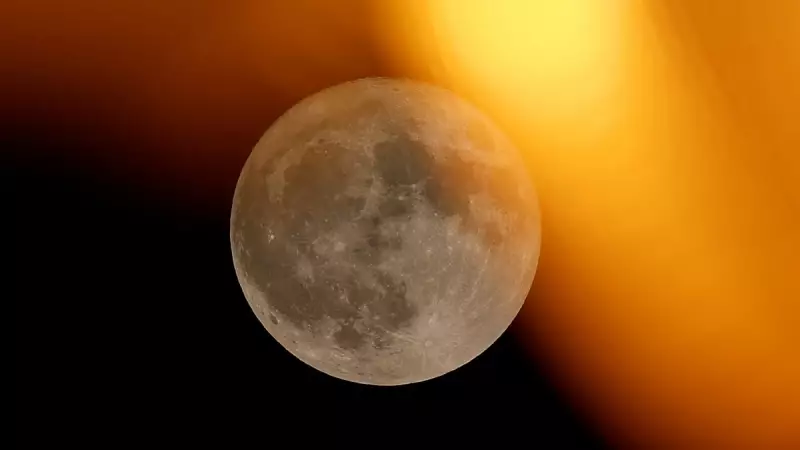
In a bold move to reclaim its historic stature in space exploration, Russia has unveiled plans to construct a nuclear power plant on the lunar surface within the coming decade. This announcement marks a significant step in the new era of lunar competition, where nations are vying for technological supremacy beyond Earth.
Reviving a Space Legacy
The ambitious project was reported by the news agency Reuters on 24 December 2025. It represents a strategic effort by Russia to reassert its dominance in space, a domain where it once led the world. The nation's pride stems from the historic achievement of Soviet cosmonaut Yuri Gagarin, who became the first human to journey into outer space in 1961.
However, in recent decades, Russia's pioneering pace has slowed. The country has increasingly fallen behind the relentless advancements made by the United States and the rapidly expanding space programme of China. The plan for a lunar nuclear facility is seen as a direct response to this shifting landscape, aiming to place Russia back at the forefront of interplanetary exploration and settlement.

The Technical Ambition: Powering the Moon
The core of the announcement is the development of a functional nuclear power generation unit on the moon. Establishing a reliable and powerful energy source is critical for any long-term human presence or sustained robotic activity on the lunar surface. Solar power has limitations due to the moon's long nights, lasting about 14 Earth days.
A nuclear plant could provide continuous, high-capacity power necessary for:
- Supporting life support systems in habitats.
- Running scientific laboratories and industrial equipment.
- Producing fuel and oxygen from lunar resources.
- Enabling advanced communication networks.
The stated timeline of "within a decade" sets a target for operational capability sometime before 2035. This ambitious schedule underscores the project's high priority for the Russian space agency, Roscosmos.
Implications for the New Space Race
This declaration significantly intensifies the global competition for lunar exploration and utilisation. It moves the goalposts from merely landing spacecraft to establishing permanent, powered infrastructure. The move is likely to catalyse further investments and announcements from other spacefaring nations.
The project also raises important questions about international space law, safety protocols for nuclear materials in space, and the environmental impact on the pristine lunar environment. Success in this endeavour would not only be a massive technological triumph but would also grant Russia substantial strategic leverage in future discussions about lunar governance and resource rights.
As the world watches, Russia's lunar nuclear power plant plan sets the stage for the next chapter in humanity's journey to the stars, challenging competitors and pushing the boundaries of what is possible in off-world engineering.