The once-distant dream of space tourism is rapidly accelerating from science fiction to tangible reality. While this extraordinary experience might initially seem reserved for the ultra-wealthy, recent technological leaps are democratizing access, transforming it from an exclusive privilege into a potential prospect for a wider audience. This shift offers humanity a unique opportunity to witness our planet's breathtaking beauty from a completely new, awe-inspiring perspective.
The Paramount Importance of Safety in the New Space Age
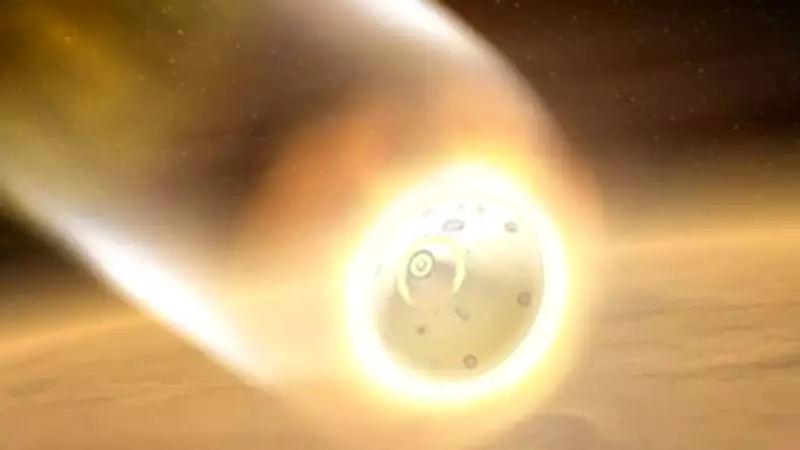
As commercial spaceflight and tourism ventures gain momentum, the core challenge remains ensuring absolute safety, particularly during the critical and dangerous phase of atmospheric re-entry. This phase is not only vital for the burgeoning space tourism industry but is also essential for the future of all human space exploration endeavors.
A Groundbreaking Tool for Hypersonic Research
Addressing this critical need, researchers at the University of Colorado at Boulder have pioneered a revolutionary facility: a plasma tunnel designed to simulate the extreme conditions spacecraft endure when re-entering Earth's atmosphere. This cutting-edge hypersonic flight research facility generates high-speed plasma flows, providing invaluable data on how advanced materials respond to the intense heat and pressure of re-entry.

Led by researcher Hisham Ali and his team, the tunnel was specifically engineered to replicate the harsh environment a spacecraft experiences. It allows scientists to rigorously test and validate heat shield technologies under temperatures that can soar up to a staggering 9,000 degrees Fahrenheit. "Understanding material behavior under such immense thermal and pressure stress is fundamental to mission success and crew safety," the research underscores.
Unprecedented Capabilities and Planetary Applications
Ali emphasizes the facility's unique global standing: "There's no chamber exactly like this anywhere in the world." Its operation involves a powerful vacuum system that injects gases, which are then energized using radio frequency waves to create the high-temperature plasma. Remarkably, the tunnel's flexibility extends beyond Earth; it can also inject gases like carbon dioxide to simulate re-entry into the atmospheres of other planets, such as Mars, thereby holding significant potential for advancing interplanetary exploration.
The Inspiration Behind the Innovation
The genesis of this project can be traced back to researcher Hisham Ali's childhood. A formative experience at a Space Camp in Alabama, where he interacted with a genuine NASA heat shield tile, planted the seed of inspiration. This early fascination with thermal protection systems served as the foundational motivation for his work, culminating in the dedicated effort that brought this state-of-the-art facility to life.
Future Directions: Magnetic Control Systems
The team continues to explore innovative avenues to enhance spacecraft operations in extreme environments. Ali notes that traditional aerodynamic flight control mechanisms become ineffective during the plasma-shrouded re-entry phase, where communication blackouts occur. However, his research suggests that employing strong magnetic fields could revolutionize spacecraft control, offering a novel method to maneuver vehicles through these harshest conditions, thereby improving both operational safety and capability.
In summary, the development of this unique plasma tunnel represents a significant leap forward in aerospace testing. By providing critical insights into material performance and potential new control methods, it stands as an essential tool for securing a safer future for space tourism and paving the way for more ambitious human exploration of our solar system.