

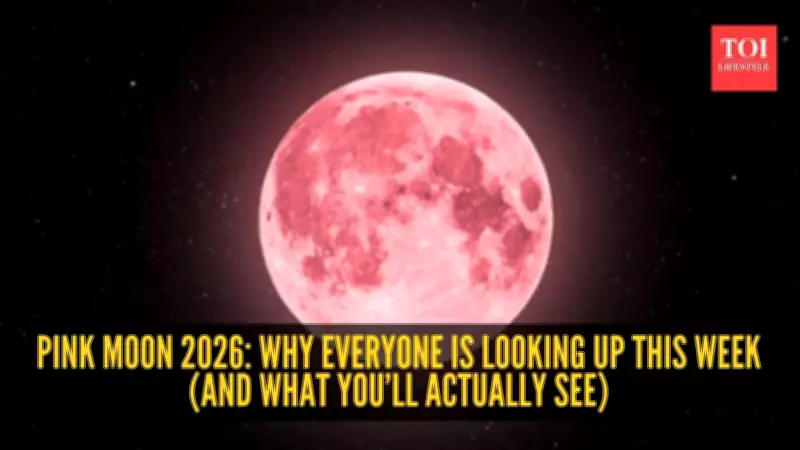
Pink Moon 2024: A Spectacular Spring Celestial Event
Skywatchers and astronomy enthusiasts, prepare your calendars and gather your binoculars for an extraordinary night sky display. The first full moon of the spring season is poised to illuminate our heavens, offering a breathtaking spectacle that promises to captivate observers across the globe. This major lunar event, traditionally known as the "Pink Moon," is scheduled to reach its absolute peak illumination precisely at 3:12 am on Thursday, April 2. However, for the most dramatic and visually stunning views, experts recommend stepping outside earlier, on the evening of Wednesday, April 1, just as the moon begins its majestic ascent above the horizon.
What Is the Pink Moon? The Surprising Truth Behind the Name
If you venture outside expecting to witness a vibrant magenta orb floating serenely in the night sky, you might be in for a delightful surprise. The name "Pink Moon" is entirely deceptive when it comes to its actual appearance. This colorful title originates from deep historical roots, specifically from early Native American tribes in the northern hemisphere. These communities meticulously tracked the shifting seasons by observing the monthly lunar cycle. They named this particular full moon after the early-blooming pink wildflowers, notably the wild ground phlox, that beautifully carpeted the landscape at the very onset of spring. Instead of displaying pink hues, the moon rising on Wednesday evening is far more likely to glow in striking shades of orange, copper, or even a deep golden yellow, creating a warm and enchanting visual effect.
The Fascinating Science Behind the Copper Glow
There is a simple yet captivating bit of physics that explains this remarkable color transformation. When the moon hangs low on the horizon, the sunlight reflecting off its lunar surface must travel a significantly longer distance through Earth's atmosphere to reach our eyes. Our atmosphere is densely packed with various particles and molecules. As that reflected moonlight pushes through this atmospheric barrier, the shorter wavelengths of light, such as blues and violets, get scattered away in all directions. What ultimately survives this lengthy journey? The longer wavelengths. The reds, oranges, and yellows manage to slice right through the atmospheric interference, imparting the rising moon with its beautiful, warm, coppery tint. This is the exact same optical phenomenon that gifts us those breathtaking, fiery sunsets we often admire.

A Brilliant Celestial Companion in the Virgo Constellation
This week's lunar display comes with an exciting bonus feature for dedicated astronomy buffs. As you admire the radiant full moon, pay close attention to an exceptionally bright point of light positioned remarkably close to it. That luminous object is not merely an ordinary star. It is Spica, a dazzling binary star system located within the Virgo constellation. Having Spica positioned in such close proximity to the glowing full moon creates a wonderfully dynamic and visually rich night sky, enhancing the overall viewing experience for observers with telescopes or even the naked eye.
Setting the Date for Major Religious Holidays
Beyond its undeniable visual appeal, the Pink Moon holds significant cultural and religious weight on a global scale. It directly dictates when millions of people around the world will celebrate Easter and Passover. The rule governing this is quite ancient and firmly established. Easter always falls on the very first Sunday that follows the first full moon after the spring equinox. Since this year's astronomical spring equinox occurred on March 20, this specific April full moon acts as the critical trigger. It officially locks in the dates for the upcoming holiday weekend, providing clarity for religious observances and festive preparations across diverse communities.

Will Weather Conditions Play Spoilsport?
Of course, any astronomical event remains entirely at the mercy of prevailing weather conditions. For those tuning in from the United Kingdom, the current forecast presents a somewhat mixed bag. According to the latest meteorological updates, skywatchers in England and Wales might face some frustration due to anticipated heavy cloud cover and patches of rain rolling in on Wednesday night, potentially obstructing the view entirely. However, the situation differs further north. Scotland and Northern Ireland are currently situated under colder air masses, meaning these regions boast the highest probabilities for clear, uninterrupted viewing spells, offering better opportunities for lunar observation.
Whether you are fortunate enough to enjoy a pristine, unobstructed view or merely catch a fleeting glimpse through a break in the clouds, take a precious moment on Wednesday night to step outside and gaze upward. The spring sky is finally awakening, and this celestial event serves as a magnificent reminder of the wonders above us.





