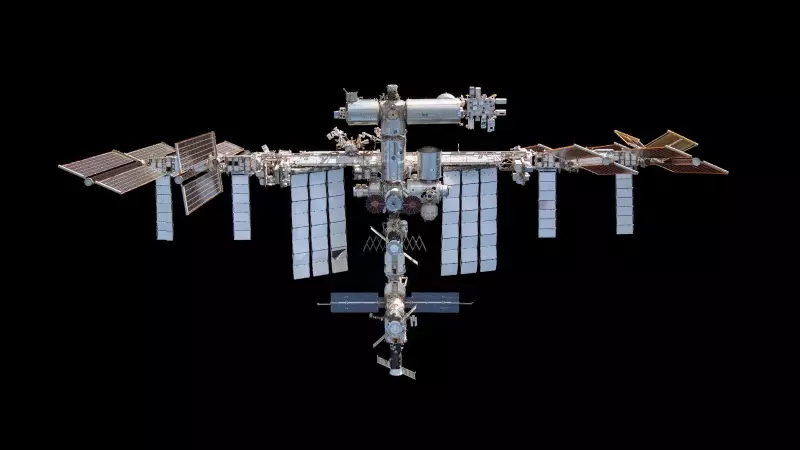
The iconic International Space Station, humanity's orbiting laboratory for over two decades, is approaching its final chapter. NASA has confirmed its retirement plan, setting the stage for a dramatic transition in how humans operate in low-Earth orbit.
The Countdown to Retirement
After more than 20 years of continuous human presence and groundbreaking scientific research, the ISS is scheduled for retirement around 2030. The station, which has hosted astronauts from 19 countries and facilitated over 3,000 research investigations, is showing signs of aging that make continued operation increasingly challenging.
NASA's Deorbiting Strategy
Rather than abandoning the massive structure in orbit, NASA has developed a carefully orchestrated deorbiting plan. The space agency will use a specially designed US Deorbit Vehicle to guide the 420-ton station through Earth's atmosphere in a controlled descent.

The deorbiting process will ensure that any surviving debris lands in a remote area of the South Pacific Ocean known as Point Nemo – the oceanic pole of inaccessibility that has become the final resting place for many retired spacecraft.
The Commercial Space Station Revolution
What makes this transition particularly exciting is NASA's vision for the future. Instead of building and operating another government-led station, NASA is pioneering a commercial approach to space habitats.
The agency has already invested approximately $500 million in agreements with several private companies developing commercial space station concepts. These include:
- Blue Origin's Orbital Reef
- Voyager Space's Starlab
- Northrop Grumman's free-flying station concept
- Axiom Space's commercial modules
Why This Transition Matters
This shift represents a fundamental change in how space exploration will be conducted. By transitioning to commercial space stations, NASA aims to:
- Reduce costs for taxpayers while maintaining access to low-Earth orbit
- Stimulate innovation through commercial competition
- Focus resources on deep space exploration to the Moon and Mars
- Create new economic opportunities in the growing space industry
The retirement of the ISS marks not an end, but rather the beginning of a new era in space exploration – one where commercial enterprises play a central role in humanity's continued presence in orbit.