NASA's Bold Vision: Establishing a Permanent Human Settlement on the Moon
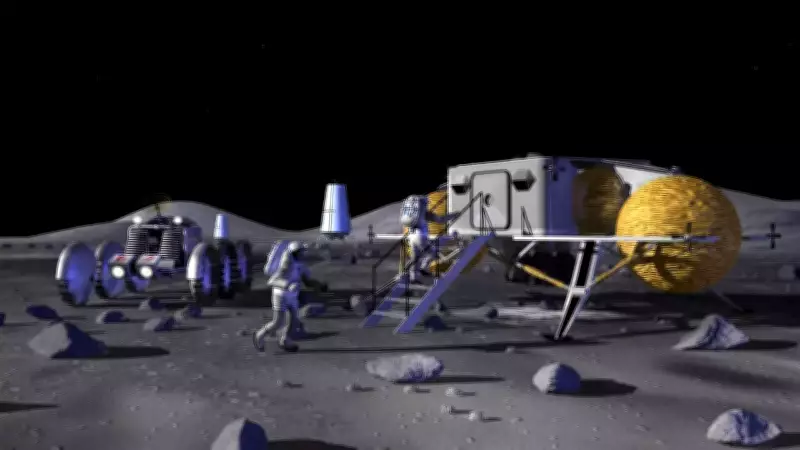
NASA is preparing for one of its most ambitious missions in history, moving beyond symbolic visits to establish a permanent human base on the Moon. This initiative represents a significant leap toward sustained extraterrestrial habitation, supported by recent U.S. Senate backing and an executive order. While experts acknowledge the project as complex, costly, and fraught with risk, it promises to be a groundbreaking step for humanity, potentially creating our first foothold on another world.
The Lunar South Pole: A Strategic Location Rich in Resources
The Moon's south pole has emerged as the prime target for this settlement, primarily due to the presence of water ice. This resource is crucial not only for drinking but also for its potential conversion into rocket fuel, which could support further space exploration. Unlike other lunar regions, the south pole offers near-constant sunlight on certain peaks, enhancing the efficiency of solar panels and mitigating the extreme temperature swings—from scorching heat to freezing cold—that characterize the Moon's equator.
Key sites under consideration include Shackleton Crater and Mons Mouton, where water ice is believed to be trapped in craters. NASA is conducting thorough analyses of safety and terrain to ensure a stable and secure environment for astronauts, emphasizing that a successful base requires more than just accessible resources.

Nuclear Power: Overcoming the Challenge of Lunar Nights
A major obstacle to lunar habitation is the Moon's extended night, lasting approximately 14 Earth days, during which solar panels become ineffective. To address this, NASA is exploring the use of small, deployable nuclear fission reactors. These reactors would launch in an inactive state and be activated on the Moon, providing uninterrupted power. Radiation shielding is a critical consideration, with plans to place reactors away from habitats or partially buried to ensure safety.
Legal frameworks, such as the Artemis Accords and the Outer Space Treaty, add complexity by emphasizing safety, transparency, and international access. NASA must navigate these agreements to implement its nuclear plans, a challenge experts describe as tricky but not insurmountable.
Robotic Pioneers: Preparing the Ground for Human Arrival
Before astronauts set foot on the Moon, NASA intends to deploy robotic missions to survey the terrain, locate resources, and prepare landing sites. These machines will tackle issues like abrasive lunar dust, which can damage equipment, by clearing and hardening surfaces. Once the groundwork is complete, astronauts will inhabit modular habitats designed for expansion over time.
Innovatively, NASA plans to utilize lunar soil, or regolith, for constructing more permanent shelters. This approach not only provides radiation and micrometeorite protection but also reduces the need to transport building materials from Earth, making the settlement more sustainable and cost-effective.
This comprehensive strategy underscores NASA's commitment to turning science fiction into reality, paving the way for a future where humans live and work on the Moon indefinitely.