If you think gardening is buying a plant and letting it sit on your porch until it eventually gives up on life, you are not alone. Most millennials did not grow up learning how to deadhead roses or test the pH of the soil. With work, screens, and the chaos of being an adult, who has the time? Here is the truth: you do not need a degree in horticulture or to sacrifice your weekends to have a beautiful garden. Some flowers basically grow themselves, handling drought, neglect, and still looking fabulous from May to October. The list is surprisingly beginner-friendly.
Start with Coneflowers
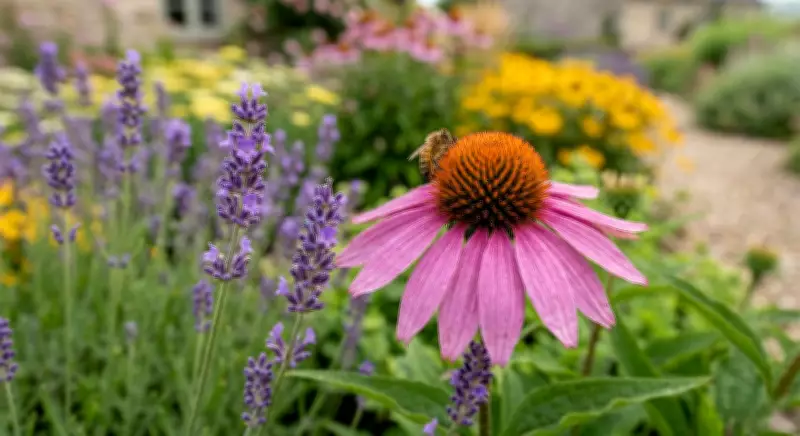
If you are west of the Mississippi, narrow-leaf coneflower (Echinacea angustifolia) is your new best friend. It is drought-tolerant, grows well in lean, dry soil, and does not require much fussing. The purple-ish blooms are a pollinator magnet, attracting butterflies and bees. Purple coneflower (Echinacea purpurea) does the same in slightly damper conditions for those on the East Coast or in wetter climates. In either case, you will have large, bright blooms with minimal effort.
Black-Eyed Susans Are the Golden Retrievers of Flowers
Black-eyed Susans (Rudbeckia) are the flower that never disappoints: friendly, hardy, and easy to love. They bloom with bright yellow flowers in late summer and fall, right when everything else in the garden begins to look tired. They are short-lived as perennials go, but they self-seed readily, so they keep coming back whether you remember to replant them or not.

Lavender Is Not Just for Candles
Growing lavender is far less complicated than the wellness industry would have you believe. It loves full sun, hates overwatering, and thrives in dry, rocky soil. Once established, it blooms from May to October and fills your yard with that scent you have been paying for in candles. You can cut it, dry it, use it in the kitchen, or just leave it looking pretty. A study in Frontiers in Plant Science found that drought stress significantly impacted lavender essential oil quality. Plants experiencing extreme water stress yielded more than double the oil of well-watered plants, with more powerful antibacterial activity. Lavender is a Mediterranean native designed for low-maintenance summers.
Yarrow Is the One That Goes Everywhere
Yarrow (Achillea) is the overachiever of low-maintenance gardening. It blooms from June to October, and research in Molecules shows it can last until the first frost. It tolerates both dry and wet soil, handles full sun, and comes in yellow, pink, red, and white. It is a serious pollinator draw, important as bee populations decline. The same study notes that yarrow has secretory tissues in its flowers producing essential oils to attract bees and butterflies, plus specialised petal cells helping insects land.
For Shady Spots, Bishop's Hat Is Unbeatable
Most people avoid shady corners of their yard. Do not. Bishop's hat (Epimedium) is the gold standard for plants that love dry shade. This long-lived, low-demand plant sports dainty spring flowers over attractive foliage that often turns lovely fall colours. It is basically houseplant energy, but outside in the soil, taking care of itself.
Stonecrop Is for People Who Forget to Water
Sedum, better known as stonecrop, is a succulent that deserves a place in the ground as much as a pot. It is heat and drought-tolerant and comes in a huge variety of colours and sizes. Late-season kinds, such as Autumn Joy, bloom in pink clusters and attract butterflies late into fall. If you have killed every plant you have ever owned, start here.
You Can Have a Beautiful Garden Without Making It a Second Job
The myth that a good garden takes constant work is mostly a myth, or at least it does not have to be your reality. Choosing the right plants for your climate and soil type means most of the heavy lifting is already done. Native plants such as coneflowers, yarrow, and black-eyed Susans have evolved to thrive in the conditions that already exist in your backyard. You do not have to be a plant person to pull this off. You just have to begin with something that wants to grow.