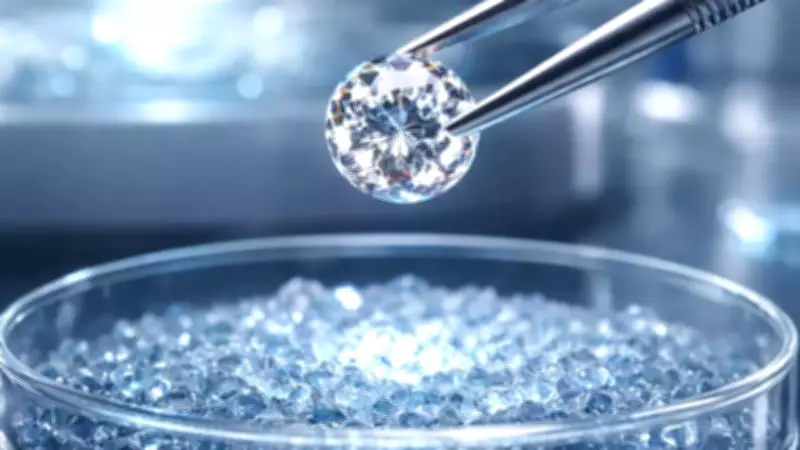
The Modern Miracle of Lab-Grown Diamonds
Lab-grown diamonds represent a remarkable achievement of modern science—stones that perfectly mimic their natural counterparts while offering significant advantages in price, ethics, and environmental impact. The journey to create these synthetic gems spans centuries, beginning with fundamental scientific discoveries and culminating in today's sophisticated production methods.
The Historical Quest for Synthetic Diamonds
The fascination with replicating diamonds dates back to the 18th century when French chemist Antoine Lavoisier first identified diamonds as pure carbon. This groundbreaking discovery sparked centuries of experimentation and innovation as scientists sought to recreate nature's most prized gemstone under controlled laboratory conditions.
Throughout the 19th century, numerous wild claims emerged about diamond synthesis, with H.G. Wells even featuring the concept in his 1894 story The Diamond Maker. The fictional account described using high temperatures and pressure to create diamonds—a process surprisingly similar to what scientists would eventually develop decades later.

The Breakthrough Era: 1950s Diamond Synthesis
The real breakthrough came in 1954 when General Electric launched Project Superpressure, successfully creating the first verified lab-grown diamonds. Using tiny seed crystals subjected to extreme heat and pressure, GE scientists managed to transform graphite into diamond crystals. These initial stones were too small for jewelry applications and were primarily used for industrial purposes.
Around the same period, Swedish company ASEA reportedly grew small diamond crystals but kept their achievement confidential. The 1950s marked the beginning of commercially viable diamond synthesis, though significant challenges remained in producing gem-quality stones.
Refining the Process: From Yellow Tints to Clear Gems
By the 1970s, technological advancements enabled the production of larger diamonds suitable for jewelry. Early samples sent to the Gemological Institute of America (GIA) typically weighed between 0.26 and 0.30 carats but often exhibited yellowish tints and visible inclusions.
Scientists discovered that nitrogen impurities caused the yellow coloration, leading to process refinements over subsequent decades. Laboratories in the United States, Russia, and China gradually developed techniques to produce clearer, colorless diamonds that could rival natural stones in both size and clarity.
The CVD Revolution: Modern Diamond Production
Today, most lab-grown diamonds are produced using Chemical Vapor Deposition (CVD) technology. This method represents a significant departure from earlier high-pressure techniques. Instead of crushing graphite under extreme conditions, CVD involves depositing carbon gas onto tiny seed crystals in controlled chambers, slowly building gem-quality diamonds layer by layer.
The CVD process offers superior control, predictability, and cost-effectiveness compared to traditional methods. Modern laboratories can simultaneously grow dozens of diamonds, with production costs dropping from thousands to just a few hundred dollars per carat. This technological advancement has democratized diamond access while maintaining exceptional quality standards.
Market Impact and Consumer Preferences
According to the International Gem Society, lab-grown diamonds typically cost 40–50% less than their natural counterparts. This price advantage stems from several factors: streamlined production processes, reduced mining expenses, fewer intermediaries, and the absence of rarity premiums associated with natural diamonds.
Younger consumers, particularly in markets like India, are increasingly drawn to lab-grown diamonds for multiple reasons:

- Ethical considerations: Avoidance of conflict diamond concerns
- Environmental benefits: Reduced ecological impact compared to mining
- Affordability: Access to larger, higher-quality stones within budget
- Transparency: Clear origin tracking and certification
While some traditionalists still associate lower price with inferior quality, certified lab-grown diamonds from reputable laboratories are chemically, physically, and optically identical to mined diamonds. The primary distinction lies in their origin rather than their inherent properties.
The Future of Diamond Jewelry
Lab-grown diamonds have transitioned from scientific curiosity to mainstream market presence, offering consumers an attractive combination of sparkle, ethics, and affordability. While unlikely to completely replace mined diamonds, synthetic gems are fundamentally reshaping industry dynamics and consumer expectations.
As production technologies continue advancing and consumer awareness grows, lab-grown diamonds represent more than just an alternative—they symbolize how scientific innovation can transform traditional luxury markets while addressing contemporary ethical and environmental concerns.