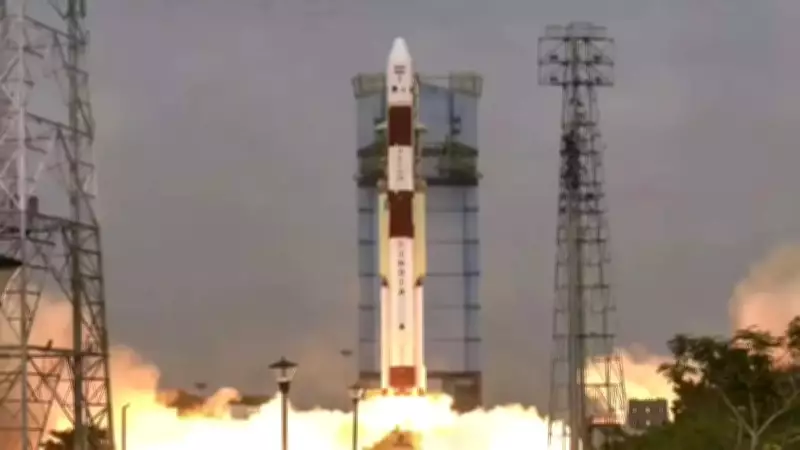
ISRO Confirms June PSLV Launch After Recent Setbacks, Minister Addresses Failures
In a significant development for India's space program, the Indian Space Research Organisation (ISRO) is gearing up to return to the launchpad with its trusted Polar Satellite Launch Vehicle (PSLV) in June. This announcement comes after the space agency experienced two consecutive setbacks, making this upcoming mission a crucial test of confidence and reliability.
Minister Confirms Launch Timeline Amidst Recent Challenges
Union Science and Technology Minister Jitendra Singh officially confirmed the June launch plan on Monday, addressing the recent failures that have drawn attention to ISRO's operations. Speaking to reporters, Singh provided insights into the technical investigations while emphasizing the organization's commitment to transparency and engineering excellence.
The PSLV has long been celebrated as one of ISRO's most reliable rockets, boasting an impressive success rate of over 90 percent. This vehicle has launched numerous missions, ranging from Earth-observation satellites to ambitious interplanetary probes, establishing India's reputation in the global space community.

Addressing Back-to-Back Setbacks
The recent failures that prompted this renewed focus include:
- PSLV-C61 in May last year
- PSLV-C62 in January this year
Minister Singh was careful to clarify that these incidents did not represent the same problem repeating itself. "What happened last time has not happened now," he stated during the press conference, suggesting that separate technical causes required distinct investigations and corrective measures.
Technical Investigations and Confidence Building
ISRO engineers have reportedly spent months meticulously analyzing telemetry data, mission logs, and various data streams to identify the root causes of the recent failures. The organization has dismissed rumors of sabotage or systemic design flaws in the PSLV platform, instead focusing on specific technical issues that can be addressed through engineering solutions.
This approach reflects ISRO's broader strategy of maintaining transparency and trust with both domestic stakeholders and international partners. Space agencies worldwide face similar challenges, and ISRO appears determined to keep the conversation centered on technical improvements rather than speculation.
Moving Forward with Cautious Optimism
ISRO's decision to proceed with a June launch demonstrates cautious confidence in the corrective actions implemented following the recent setbacks. The organization has completed internal reviews, simulations, and necessary fixes, drawing from its historical resilience in overcoming technical challenges.
Previous examples of ISRO's recovery capabilities include:
- The GSLV program, which took years to stabilize but eventually achieved reliability
- The Chandrayaan-2 mission that faced difficulties, followed by the successful Chandrayaan-3 lunar landing
This upcoming PSLV mission carries added significance as it represents not just another routine launch, but a demonstration of ISRO's ability to learn from setbacks and return stronger. The June launch will be closely watched by space enthusiasts, scientific communities, and international observers as India continues to advance its space exploration capabilities.