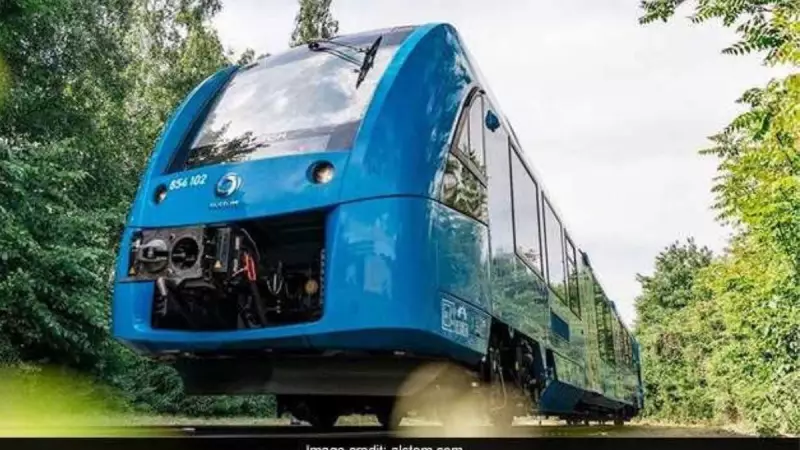
India is on the fast track to a greener future with its first indigenously developed hydrogen-powered train, which is now ready for its official launch. The groundbreaking project, a collaboration between Indian Railways and the Ministry of Railways, is scheduled to commence operations in the year 2026. This initiative marks a monumental leap towards sustainable and eco-friendly public transportation in the country.
The Path of the Green Pioneer: Route and Technical Details
The inaugural run of this revolutionary train is planned on the historic Heritage Circuit in Haryana. The proposed route will connect the cities of Sonipat and Jind, offering a practical demonstration of clean energy technology on a functional rail network. This choice of route is strategic, allowing for real-world testing and public engagement on a significant corridor.
In terms of performance, the train is designed to achieve a maximum speed of 160 kilometers per hour. While its initial operational speed on the Sonipat-Jind section might be lower, the design capability underscores the potential for high-speed, long-distance green travel in the future. The core technology involves hydrogen fuel cells that generate electricity to power the train's motors, emitting only water vapor as a byproduct.

A Collaborative Leap Towards Zero Emissions
The development of India's first hydrogen train is the result of a significant partnership. The project is being spearheaded by Indian Railways in conjunction with the Ministry of Railways. This collaboration ensures that the project aligns with the national infrastructure goals and receives the necessary support for research, development, and deployment.
The primary driver behind this innovation is the urgent need to reduce the carbon footprint of India's vast railway network. By transitioning from diesel-powered engines on non-electrified routes to hydrogen fuel cells, Indian Railways aims to cut down greenhouse gas emissions drastically. This move is a critical component of India's broader climate action and energy independence commitments.
What This Means for the Future of Indian Transport
The successful launch and operation of the hydrogen train in 2026 will set a powerful precedent. It demonstrates a viable, homegrown alternative to fossil fuel-based locomotion, particularly on routes where full electrification may be challenging or costly in the short term. The project is expected to pave the way for larger-scale adoption of hydrogen technology across the rail sector.
Beyond environmental benefits, this initiative positions India as a developer and leader in next-generation transportation technology. It fosters innovation, creates high-skilled jobs in green engineering, and reduces dependence on imported fossil fuels. The Sonipat-Jind route will serve as a living laboratory, providing invaluable data to refine the technology for nationwide implementation.
The countdown to 2026 has begun, and it heralds a new era for Indian Railways—one powered by clean hydrogen and driven by a vision for a sustainable future.