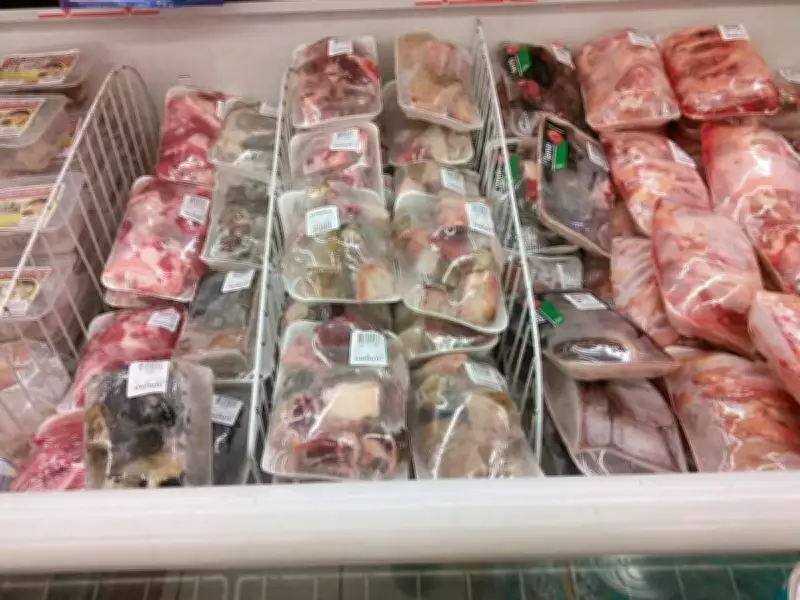
Frozen foods have become a staple in American cuisine today. Supermarkets are filled with frozen vegetables, fish, ready-to-eat products, and desserts. However, the history of the frozen food industry traces back to a simple observation in the Arctic in the 1920s. Clarence Birdseye, an American inventor and businessman, noticed that fish frozen under severe Arctic cold retained their properties, and most importantly, once defrosted, they still had a fresh taste and texture.
The Arctic Observation Behind It All
The idea of freezing was not developed in a lab. It began with Birdseye observing the fishing process in the Arctic. Fish were frozen instantly due to the severe cold and winds, and they remained edible after being defrosted. This fact drew Birdseye's attention because slowly frozen foods usually lost their texture and quality once thawed. According to the American Chemical Society, the key difference between rapidly frozen and slowly frozen foods was not temperature but speed. This led Birdseye to conclude that rapid freezing could be achieved mechanically in various locations, not just the Arctic.
Why Rapid Freezing Improved Food Quality
Birdseye's conclusion aligned with later scientific explanations about ice crystal formation. Fast freezing results in smaller ice crystals, causing less damage when food is thawed. In contrast, slow freezing produces large ice crystals that destroy cells, leading to mushiness or a liquid state. Birdseye's observation, though not initially using scientific terminology, was a major breakthrough. While people knew cold could preserve food, Birdseye realized that quick freezing maintained quality better.

From Observation to Invention
Birdseye's key task was replicating the Arctic climate artificially. According to the Lemelson program at MIT, he devised machines that used rapid freezing combined with pressure to preserve fish, vegetables, and meat. This turned his observation into an industrial application. He patented the process of quick freezing and efficient packaging, enabling long-distance transportation while retaining quality. Frozen food was no longer a last-resort item.
Impact on US Families
Birdseye's inventions coincided with the development of transportation and refrigeration networks across the country. Frozen food technology allowed grocery stores to stock products that stayed longer and remained appealing. His freezing process contributed to the frozen food culture in America, affecting not just fish but also vegetables, meat, milk, and seafood. People could buy food in advance, prevent waste, and enjoy products regardless of the season. This changed food production and purchasing habits.
Innovation from Simple Observations
Clarence Birdseye's story shows how innovations start from simple observations. He did not create refrigeration; he saw what others missed. The frozen food industry succeeded because Birdseye made an Arctic observation that could be reproduced industrially. Studies refer to his contribution as a milestone in food preservation, enhancing quality and storage. Today's frozen food sections may seem mundane, but their origins trace back to an inventor observing fish freezing in Arctic winds about a century ago. It marked a pivotal shift in how food is stored, transported, marketed, and consumed.