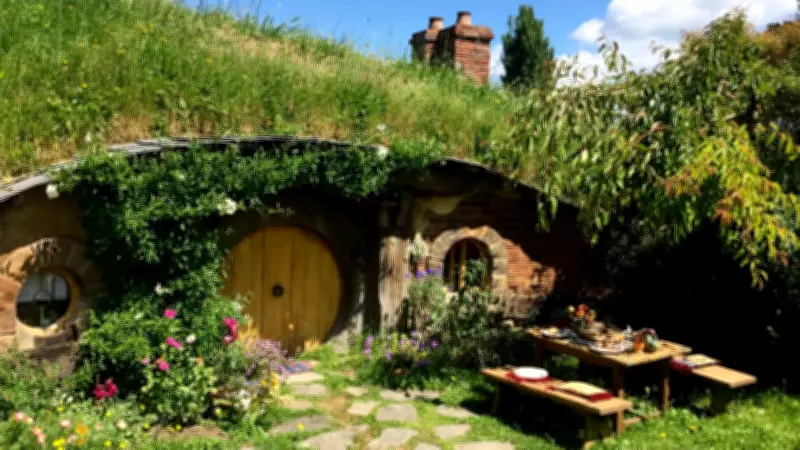
A century after J.R.R. Tolkien introduced hobbits in "The Hobbit," their charming Shire dwellings continue to captivate audiences worldwide. Beyond their fairytale appeal, these fictional homes offer valuable lessons in sustainable architecture that resonate with modern eco-conscious design.
Blending with the Natural Environment
Unlike conventional buildings that alter the landscape to suit their design, Hobbit houses are crafted to harmonize with their surroundings. This approach mirrors a growing architectural trend focused on minimizing environmental impact. Architects today increasingly seek to create homes that fit within the natural terrain, reducing disruption to ecosystems.
Benefits of Green Roofing
The most distinctive feature of a Hobbit house is its vegetated roof. This whimsical element provides practical benefits: green roofs act as natural insulators, stabilizing indoor temperatures by retaining heat in winter and blocking excess heat in summer. They also improve air quality, manage rainwater, and support local wildlife. This technique has been used for centuries in traditional Nordic homes in Iceland and Norway.

Use of Local Natural Materials
Tolkien's hobbits built their homes from locally sourced earth, stone, and timber. Using materials from the immediate vicinity reduces transportation costs and environmental damage. Today, the construction industry is increasingly aware of carbon emissions and resource use. Building with natural materials lowers a structure's carbon footprint and helps it blend into the landscape.
Compact and Functional Design
Hobbit dwellings are notably small, prioritizing functionality over spaciousness. This compact design aligns with the modern tiny house movement, which advocates for smaller homes that require less material and energy for construction and maintenance. Such designs reduce waste and promote efficient living.
Although purely fictional, Hobbit houses offer real-world architectural inspiration. Features like green roofs, natural insulation, local materials, and a strong connection with nature can be applied to contemporary buildings to create more sustainable and environmentally friendly homes.