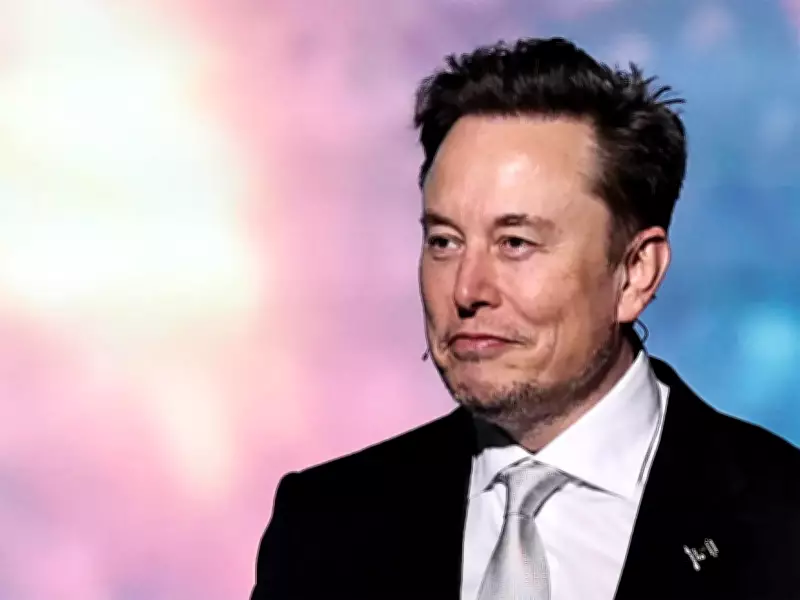
Elon Musk has made history by becoming the world's first trillionaire, a milestone achieved following the highly successful listing of SpaceX on the Nasdaq exchange. The aerospace company, which began trading at $150 per share under the ticker SPCX, was valued at approximately $1.96 trillion during its initial public offering (IPO). This remarkable valuation catapulted Musk's net worth past the thirteen-digit figure, a stark contrast to the seven-digit millionaire status that once seemed aspirational.
SpaceX IPO Bags Musk the Trillionaire Status
SpaceX, which encompasses aerospace, satellite communications, and artificial intelligence ventures, completed a record-breaking $75 billion IPO on Thursday. The company, which also operates the Starlink satellite internet service, has ambitious plans including building a self-sustaining settlement on Mars, deploying large orbital data centers, and competing with AI leaders like Anthropic and OpenAI. The IPO saw immense interest from both retail and institutional investors, partly due to SpaceX's unique position beyond traditional tech sectors such as manufacturing and pharmaceuticals.
Reflecting on the company's journey, Musk shared his initial doubts about SpaceX's success when it was founded in 2002. "It is certainly hard to believe that a little company that started in a warehouse in El Segundo is now the largest IPO ever. I gave SpaceX less than a 10% chance of succeeding at all," he said, adding that he had warned people of probable failure but encouraged them to try nonetheless.

The Road to Being a Trillionaire
Musk's entrepreneurial journey began with the sale of Zip2 and PayPal, which generated around $200 million. He divided this capital between SpaceX and Tesla, overcoming odds to build a rocket company that pioneered reusable rockets and an electric vehicle manufacturer that has become mainstream. His net worth is primarily tied to these two companies, with stock and performance-linked rewards forming the bulk of his wealth rather than cash.
According to Oxfam, crossing the $1 trillion threshold means Musk added more than $550 billion to his wealth in just one year, a pace that translates to well over $1 million every minute on average. His net worth now exceeds that of the world's next four richest individuals combined: Alphabet co-founders Larry Page and Sergey Brin, Amazon founder Jeff Bezos, and Oracle founder Larry Ellison.
Can Musk Sustain It?
Musk's holding in SpaceX is worth around $866 billion, and his net worth adds up to over a trillion dollars after the listing, including his shares in Tesla and other ventures. However, sustaining this status depends on the performance of these companies. SpaceX continues to require significant capital, with large portions of its valuation tied to long-term projects that may take years or decades to generate commercial returns.
Between January 2025 and March 31, 2026, SpaceX recorded losses of $8.7 billion. Niteen Dongare, Director & CEO of Anand Rathi International Ventures IFSC Pvt Ltd, notes that heavy investments in both companies will be needed to reap gains. "A correction in technology and AI stocks, competition in the EV market can bring his trillionaire tag down. Sustaining the trillionaire tag would need good numbers across all business ventures," he explains.
Valuation Concerns for SpaceX
Despite overwhelming investor demand, some experts have questioned SpaceX's valuation. Aswath Damodaran, known as Wall Street's 'Dean of Valuation', estimates the company's equity value at around $1.3 trillion, nearly $500 billion below the IPO valuation. He argues that SpaceX's assumptions about the size of the artificial intelligence market are overly optimistic, pegging the long-term AI opportunity closer to $3-4 trillion with lower margins due to rising competition.
Jefferies strategist Chris Wood raised concerns about Nasdaq rule changes that could fast-track SpaceX's inclusion in the Nasdaq-100 Index just 15 trading days after listing, potentially forcing passive funds to buy large quantities of the stock. However, the phenomenal response to the IPO also reflects the market's optimism about AI and semiconductor trends, with companies like OpenAI and Anthropic also targeting trillion-dollar valuations.

Oppenheimer became the first major brokerage to initiate coverage of SpaceX, assigning an "outperform" rating and a target price of $190 per share, implying a potential gain of around 41% and a market value of roughly $2.5 trillion over 12 to 18 months. Both Wood and Damodaran remain positive on SpaceX's core businesses, particularly Starlink, which has more than doubled its subscriber base to over 10 million users.
As Damodaran concludes, "No matter what your views are about the SpaceX IPO, there is no denying that this company is a loaded bet on AI and Elon Musk. While that may concern some, others will look at Musk's track record with Tesla and feel the odds are in their favor."