

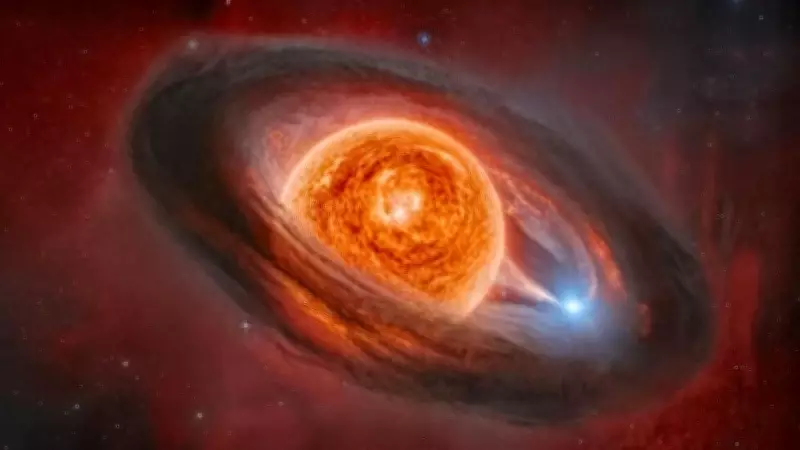
Unprecedented Shifts Detected in Betelgeuse, a Cosmic Giant
Astronomers around the world are abuzz with excitement and curiosity as they report observing dramatic and unexpected changes in Betelgeuse, one of the largest and most prominent stars in the observable universe. This red supergiant, located in the constellation Orion approximately 700 light-years from Earth, has long fascinated scientists due to its immense size and volatile nature. Recent observations, however, have revealed alterations in its brightness and physical structure that are unprecedented in modern astronomical records, sparking intense debate and analysis within the scientific community.
Detailed Observations Reveal Stellar Instability
Using advanced ground-based telescopes and space observatories, researchers have meticulously tracked Betelgeuse over the past few years. The star, which is roughly 1,000 times larger than our Sun, has exhibited significant dimming events, notably a "Great Dimming" in late 2019 and early 2020 that captured global attention. Subsequent studies indicate that this dimming was likely caused by a massive ejection of stellar material, which formed a dust cloud that temporarily obscured the star's light. More recently, observations have shown that Betelgeuse is not only fluctuating in brightness but also undergoing changes in its shape and surface activity, suggesting internal turmoil and potential preparatory stages for a supernova explosion.
Key findings from the latest research include:

- Irregular brightness variations that deviate from the star's typical pulsation cycles.
- Alterations in the star's apparent shape, as detected through high-resolution imaging techniques.
- Increased detection of convective cells and magnetic activity on its surface, indicating heightened internal dynamics.
- Evidence of mass loss through stellar winds and occasional ejections, contributing to its evolving appearance.
Implications for Stellar Evolution and Astrophysics
The observed changes in Betelgeuse provide a rare and valuable opportunity for astrophysicists to study the late stages of massive star evolution. As a red supergiant, Betelgeuse is nearing the end of its life cycle, and its behavior offers clues about the processes that precede a supernova event. Scientists emphasize that while the star's transformations are dramatic, a supernova explosion is not imminent in human timescales—it could occur anytime from tomorrow to a hundred thousand years from now. Nonetheless, the ongoing monitoring of Betelgeuse enhances our understanding of how massive stars lose mass, interact with their surroundings, and ultimately meet their explosive demise.
This research underscores the dynamic and ever-changing nature of the cosmos, reminding us that even the mightiest celestial bodies are subject to transformation. Astronomers continue to observe Betelgeuse closely, using tools like the Hubble Space Telescope and the Very Large Telescope to gather more data. The insights gained could refine models of stellar evolution and improve predictions about future supernovae in our galaxy.






