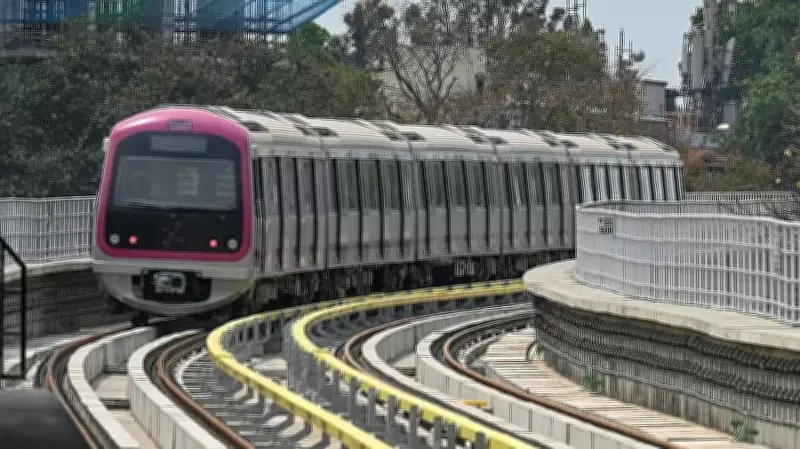
The central government is poised to give the green light for Namma Metro Phase 3, which will introduce double-decker corridors in Bengaluru. This ambitious expansion aims to significantly boost the city's public transportation capacity and connectivity.
Phase 3 Corridors
Phase 3 comprises two major lines. The first is a 32.5-kilometer corridor stretching from JP Nagar 4th Phase to Kempapura, running along the Outer Ring Road. The second is a 12.15-kilometer corridor from Hosahalli to Kadabagere, following Magadi Road. Together, these corridors add 44.65 kilometers to the network.
Double-Decker Design
A key feature of Phase 3 is the double-decker design, which will integrate metro rail on the upper deck and road traffic on the lower deck at certain sections. This innovative approach optimizes land use and minimizes disruption in congested areas.

Project Significance
- Enhanced Connectivity: The new lines will connect major residential and commercial hubs, reducing travel time and easing road congestion.
- Environmental Benefits: By encouraging public transport usage, the project is expected to lower carbon emissions.
- Economic Growth: Improved transit infrastructure is likely to spur development along the corridors.
Approval Process
The Union Cabinet is expected to formally approve the project soon, following recommendations from the Ministry of Housing and Urban Affairs. The state government has already completed detailed project reports and land acquisition procedures.
Timeline and Funding
Construction is anticipated to begin within the next year, with a target completion date of 2030. The project is estimated to cost around ₹15,000 crore, with funding shared between the central and state governments, as well as multilateral agencies.
Impact on Bengaluru
Namma Metro Phase 3 is a critical step in addressing Bengaluru's chronic traffic woes. The double-decker design is particularly groundbreaking, as it maximizes infrastructure efficiency in a city where space is at a premium. Commuters can look forward to faster, more reliable travel across key routes.
The approval marks a milestone for Bengaluru's urban mobility, setting a precedent for future metro expansions in other Indian cities.