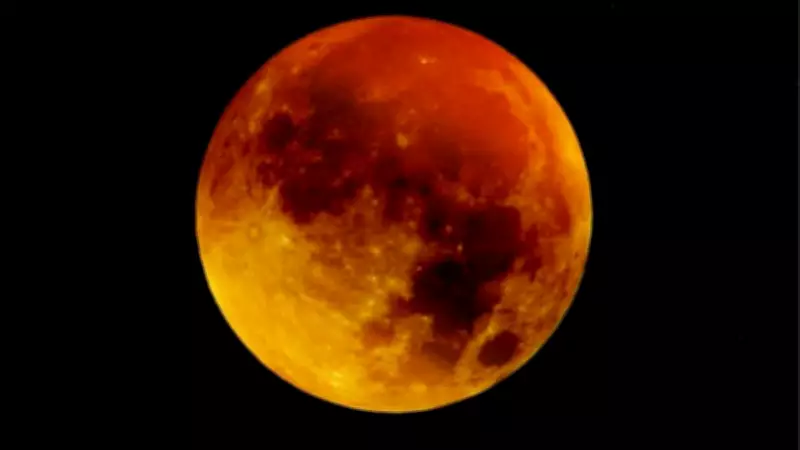
Total Lunar Eclipse 2026: Blood Moon to Illuminate Night Skies on March 3-4
A breathtaking total lunar eclipse, often referred to as a Blood Moon, is set to captivate skywatchers across the globe on March 3-4, 2026. This celestial phenomenon will be visible from various regions, including India, offering a rare opportunity to witness the Moon turning a deep reddish hue as it passes through Earth's shadow.
Timings and Visibility of the Blood Moon in India
The total lunar eclipse on March 3-4, 2026, will have specific timings that vary based on location. In India, the event is expected to be partially or fully visible, depending on the region. The eclipse will begin in the late evening of March 3 and extend into the early hours of March 4. Key phases include the penumbral eclipse start, partial eclipse onset, totality, and the end of the eclipse. Observers in India should check local astronomical resources for precise timings, as visibility may be affected by weather conditions and geographic position.
How to See the Total Lunar Eclipse Safely
Unlike solar eclipses, lunar eclipses are safe to view with the naked eye, making them accessible to everyone. To enhance your experience, consider using binoculars or a telescope for a closer look at the Moon's surface during the eclipse. For optimal viewing, find a location with minimal light pollution and a clear view of the eastern horizon. No special equipment is required, but patience is key, as the eclipse unfolds over several hours.

Scientific Significance of the Blood Moon
Total lunar eclipses occur when the Earth aligns directly between the Sun and the Moon, casting its shadow on the lunar surface. The reddish color, or Blood Moon effect, is caused by Rayleigh scattering, where Earth's atmosphere filters out shorter blue wavelengths and allows longer red wavelengths to reach the Moon. This event provides valuable insights for astronomers studying lunar geology and atmospheric phenomena.
Preparing for the Celestial Spectacle
Mark your calendars for March 3-4, 2026, and plan ahead to witness this natural wonder. Check weather forecasts in advance, and consider joining local astronomy clubs or online streams if visibility is poor in your area. The total lunar eclipse is a reminder of the dynamic nature of our solar system and a chance to connect with the cosmos from the comfort of your backyard.