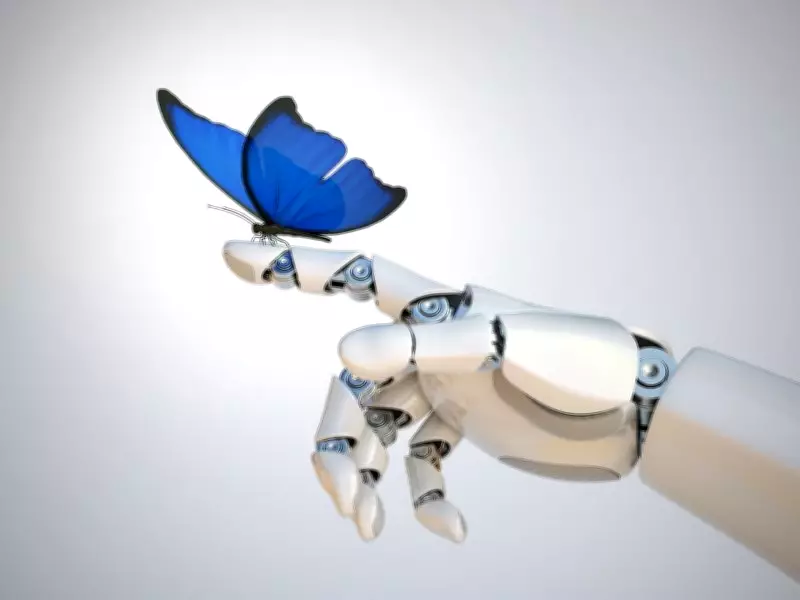
Learning from Nature: The Transformative Power of Biomimicry in Engineering Design
In the quest for sustainable and efficient technological solutions, engineers and designers are increasingly turning to a time-tested source of inspiration: nature itself. This practice, known as biomimicry, involves studying and emulating the designs, processes, and systems found in the natural world to solve complex human challenges. From the structure of a lotus leaf to the flight of a bird, biomimicry is reshaping engineering design with innovative applications that promise to enhance sustainability and performance.
What is Biomimicry?
Biomimicry, derived from the Greek words bios (life) and mimesis (to imitate), is an interdisciplinary approach that looks to nature as a model, mentor, and measure for design. It goes beyond mere imitation, seeking to understand the underlying principles that make natural systems so effective. By learning from 3.8 billion years of evolution, biomimicry offers solutions that are often more energy-efficient, resilient, and environmentally friendly than traditional engineering methods.
Key Applications in Engineering
The impact of biomimicry spans various fields of engineering, leading to groundbreaking innovations. Here are some notable examples:

- Lotus Effect Surfaces: Inspired by the self-cleaning properties of lotus leaves, engineers have developed surfaces that repel water and dirt, reducing the need for chemical cleaners and maintenance in applications like building exteriors and medical devices.
- Shinkansen Bullet Train: The design of Japan's high-speed train was influenced by the kingfisher's beak, which allows it to dive into water with minimal splash. This biomimetic adaptation reduced noise and improved aerodynamics, enhancing speed and efficiency.
- Velcro Fasteners: A classic example, Velcro was invented after observing how burrs stick to animal fur, leading to a versatile and durable fastening system used in textiles, aerospace, and healthcare.
- Wind Turbine Blades: Mimicking the tubercles on humpback whale fins, which improve hydrodynamic efficiency, has led to wind turbine blades that capture more energy with less drag, boosting renewable energy production.
Benefits of Biomimetic Design
Biomimicry offers numerous advantages that make it a powerful tool in modern engineering:
- Sustainability: Nature operates on closed-loop systems with minimal waste, inspiring designs that reduce resource consumption and environmental impact.
- Efficiency: Natural systems are optimized for performance, leading to engineering solutions that use less energy and materials while achieving superior results.
- Resilience: By emulating adaptive strategies from ecosystems, biomimetic designs can enhance durability and flexibility in the face of changing conditions.
- Innovation: Biomimicry encourages out-of-the-box thinking, fostering creativity and novel approaches to longstanding problems.
Challenges and Future Directions
Despite its potential, biomimicry faces challenges such as the complexity of translating biological principles into practical engineering applications and the need for interdisciplinary collaboration. However, with advancements in technology like artificial intelligence and 3D printing, the future of biomimicry looks promising. Researchers are exploring areas like bio-inspired robotics, sustainable architecture, and medical devices, aiming to create a more harmonious relationship between human innovation and the natural world.
In conclusion, biomimicry represents a paradigm shift in engineering design, leveraging nature's wisdom to address global challenges. As this field continues to evolve, it holds the key to developing technologies that are not only effective but also in tune with the planet's ecological balance.