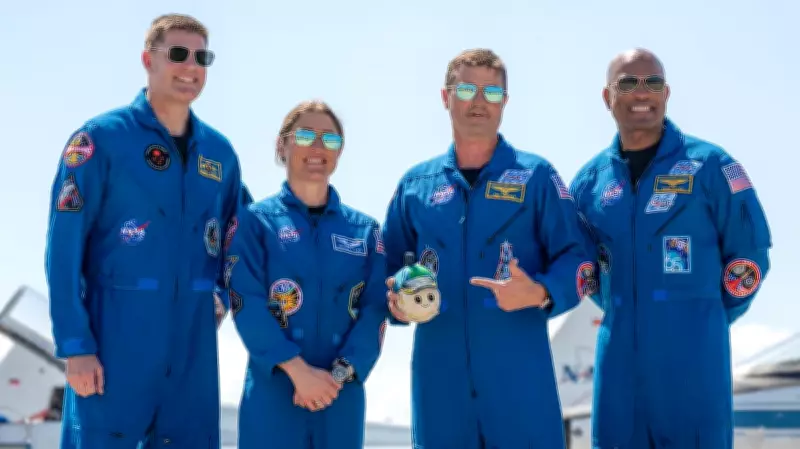
NASA's Artemis II Mission: A New Chapter in Lunar Exploration
In a thrilling update from the National Aeronautics and Space Administration (NASA), the highly anticipated Artemis II mission is officially scheduled to launch as early as April 1, 2026. This crewed lunar expedition marks a significant milestone in humanity's return to the Moon, promising a blend of action, wonder, and adventure that captures the imagination of space enthusiasts worldwide.
The Countdown to Launch: How to Witness History
NASA has emphasized that this mission is a must-see event, urging the public not to miss the historic moment. The agency has provided detailed guidelines on how to watch the launch, ensuring global accessibility for viewers eager to follow the journey from Earth to the lunar vicinity. As preparations intensify, the excitement builds for what could be a transformative step in space exploration.
Meet 'Rise': The Official Mascot of Artemis II
Adding a unique and symbolic touch to the mission, NASA has unveiled the official mascot for Artemis II, named 'Rise'. This zero gravity indicator was selected through a global competition that attracted thousands of submissions from over 50 countries, showcasing widespread international interest in the lunar program.

The design of 'Rise' draws inspiration from one of the most iconic moments in space history: the Earthrise photograph captured during the Apollo 8 mission. This connection to past achievements underscores NASA's commitment to building on its legacy while forging new paths in celestial discovery.
Global Collaboration and Symbolism
The selection process for the mascot highlights the collaborative spirit of the Artemis program, engaging participants from diverse backgrounds across the globe. 'Rise' serves not only as a mascot but also as a symbol of unity and aspiration, reflecting humanity's collective dream of exploring beyond our planet.
As the launch date approaches, NASA continues to share updates and insights, keeping the public informed and engaged. The Artemis II mission represents more than just a technical endeavor; it is a testament to human curiosity and the enduring quest for knowledge in the vast expanse of space.