

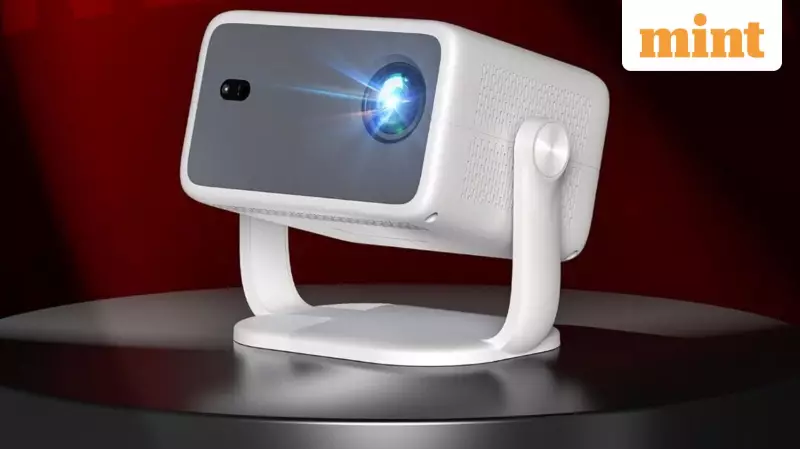
Gone are the days of tangled cables and complex setups for your home theatre. In today's streaming-first world, wireless connectivity has shifted from a luxury to a fundamental requirement for any modern projector. Indian consumers now expect a seamless, clutter-free experience, and manufacturers are responding with a suite of smart, wireless features designed to make movie nights effortless.
The Wireless Core: Wi-Fi and Casting for Direct Streaming
At the heart of this transformation is built-in dual-band Wi-Fi. A projector with a stable wireless connection can join your home network directly, unlocking access to popular streaming apps like Netflix, Prime Video, and Disney+ Hotstar without needing an external dongle or box. This direct integration is the first step toward a simplified setup.
Equally important is the widespread adoption of screen mirroring technologies such as Miracast or built-in casting protocols. This feature allows you to instantly share content—be it a movie, presentation, or vacation photos—directly from your smartphone, tablet, or laptop screen to the projector. It is particularly useful for accessing apps that might not be natively available on the projector's own platform, ensuring no content is out of reach.

This wireless ecosystem does more than just reduce cable clutter. It makes switching between different users' devices effortless, fostering a more collaborative and spontaneous viewing environment for families and friends.
Beyond Video: Bluetooth, Updates, and the Need for Reliability
While Wi-Fi handles video, Bluetooth connectivity adds a crucial layer of convenience for audio. Given that built-in projector speakers are often limited in power, Bluetooth allows you to pair the projector effortlessly with external soundbars, Bluetooth speakers, or headphones. This is invaluable for creating an immersive audio experience or for private late-night viewing without disturbing others.
Wireless connectivity also future-proofs your investment through over-the-air firmware updates. Projectors with internet access can receive software updates that improve app performance, add new features, and fix bugs, ensuring your device keeps pace with evolving streaming platform requirements.
However, it's critical to note that wireless performance is not just about having these features on a spec sheet. It hinges on real-world signal strength and software stability. Prospective buyers should prioritise models known for consistent Wi-Fi performance and a well-optimised user interface over a mere checklist of wireless options.
Why Physical Ports Still Matter in a Wireless World
Despite the wireless revolution, physical ports remain non-negotiable for reliable, high-fidelity playback. HDMI ports are the most critical, with multiple inputs being ideal. They allow you to permanently connect devices like Amazon Fire TV Sticks, gaming consoles (PS5, Xbox), or set-top boxes, providing the most lag-free and reliable video and audio connection.
USB ports serve multiple purposes: playing media from pen drives, powering streaming sticks, or connecting peripherals. An Ethernet port, though less common, offers a wired internet alternative for rock-solid, buffer-free streaming in crowded network environments. Audio output ports, like optical or AUX, provide flexible wired connections to home theatre systems.
The key is balance. A well-connected projector doesn't need every port imaginable but should cover all common use cases—wireless for convenience, wired for reliability—preventing the need for costly adapters or upgrades later.
The Smart Platform: The Brain Behind the Connectivity
Connectivity isn't just hardware; it's also about the software. Most new projectors come with built-in smart platforms like Android TV or official Google TV. These systems host streaming apps natively, turning the projector into an all-in-one entertainment hub. However, the value lies in the platform's reliability, app availability, and update support.

Compatibility with external streaming devices remains essential for long-term flexibility. As viewer preferences change, a projector that works seamlessly with popular sticks ensures you're never locked out of a new streaming service. Features like voice control via Google Assistant or Alexa add another layer of hands-free convenience for modern smart homes.
Ultimately, the best connectivity setup depends on your viewing habits. Casual viewers may find built-in apps and wireless casting perfectly adequate. In contrast, serious cinephiles or gamers might build a system around dedicated HDMI-connected devices. The goal is for the technology to become invisible, letting you and your family focus entirely on the entertainment, not the setup.





