

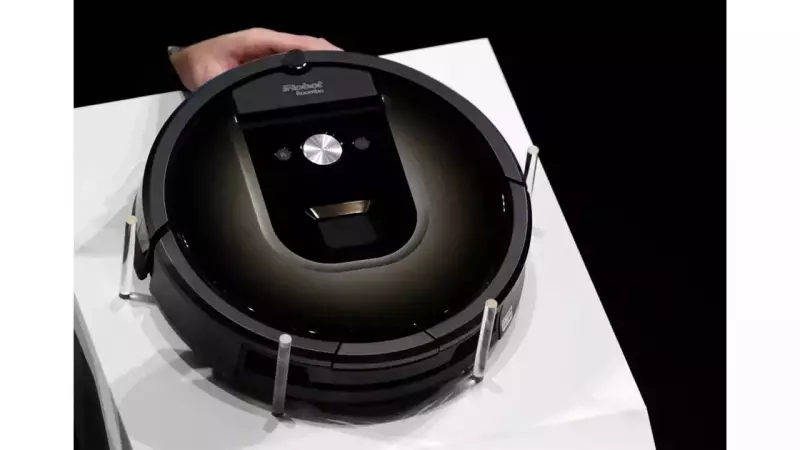
American robot vacuum pioneer iRobot, the company behind the iconic Roomba, has filed for Chapter 11 bankruptcy protection, marking a dramatic fall for a once-dominant consumer electronics brand. The company's co-founder and former CEO, Colin Angle, has now publicly detailed the series of events and competitive pressures that led to this point, highlighting a challenging global market landscape.
The Rise and Fall of a Market Leader
Founded in 1990 by Colin Angle and fellow MIT scientists, iRobot revolutionized home cleaning with the launch of its Roomba vacuum robot in 2002. The devices became a staple in American households, with advanced models by 2018 featuring self-emptying bins and smart room mapping. The company's financial success peaked in 2021 with sales nearing $1.6 billion. However, this trajectory sharply reversed, culminating in last week's bankruptcy filing and an impending acquisition by Picea Robotics, a Chinese firm that already manufactures for and lends to iRobot.
Angle's Diagnosis: A "Cage Match" with Chinese Fast Followers
In a candid discussion on the New York Times' Hard Fork podcast, Colin Angle pinpointed the core challenge. He described the advent of aggressive Chinese competitors who used their vast domestic market as a protected springboard. "It's certainly the advent of this new type of competitor, the Chinese fast follower who had access to the Chinese marketplace, which iRobot effectively did not," Angle stated. He argued the playing field was not level, as China, for pragmatic and political reasons, ensured local companies were advantaged.

He cited the example of Roborock, which leveraged this supportive home environment to eventually become the world's leading robot vacuum brand. Angle noted that iRobot was initially a leader in China's market, but that changed when the country identified the sector as strategic. Post-pandemic policies, including consumer incentives offering up to 20% discounts on local electronics, further bolstered Chinese brands. "It's a cage match, and it certainly got hard, and it got increasingly competitive," Angle added, describing the intense global rivalry.
The Amazon Deal That Never Was: A Self-Inflicted Wound
While Chinese competition eroded iRobot's global sales, Angle believes a critical blow came from closer to home: the collapse of Amazon's attempted acquisition. In 2022, Amazon sought to buy iRobot for $1.7 billion, but regulatory bodies blocked the transaction. Angle views this as a catastrophic misstep that harmed more than just his company.
"The tragedy of the blocking of the transaction is we did it to ourselves," he explained. "And the net result, which I have argued, was done with eyes wide open, was putting the consumer robot industry in a box, gift wrapping it, and handing it to someone else." He contends that this failure damaged consumers, innovation, and the entire home robotics industry, leaving iRobot vulnerable without a powerful partner.
The company's path forward now lies with Picea Robotics, a major player that also works with brands like Shark and Anker. This shift from American icon to being acquired by a Chinese manufacturer underscores the volatile dynamics of the global tech and manufacturing sectors, where supply chain advantages, geopolitical policies, and regulatory decisions can dramatically alter a company's fate.






