Tata Motors has taken a significant leap in India's electric vehicle segment with the launch of the much-anticipated Harrier EV. Based on our comprehensive review, this electric SUV is not merely a converted version of its internal combustion engine (ICE) sibling but a thoughtfully engineered product that aims to redefine the premium electric SUV space. Launched in January 2026, it promises to eliminate range anxiety while packing a host of segment-first features.
Design & Exterior: A Familiar Yet Modern Stance
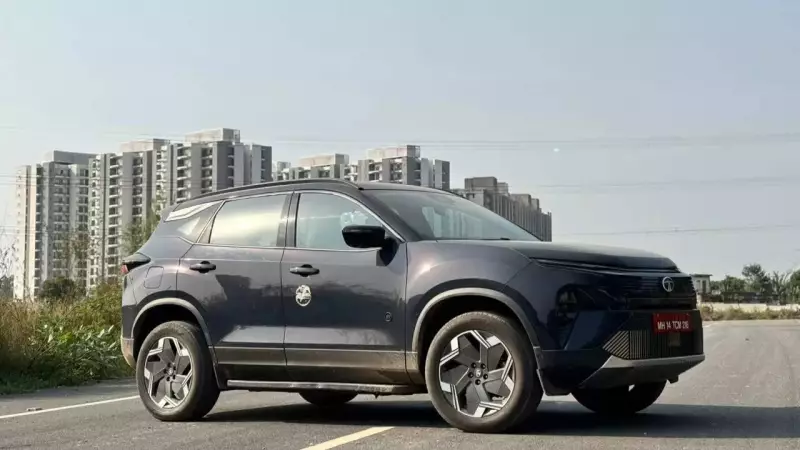
The Tata Harrier EV retains the muscular and commanding road presence that the model is known for. However, Tata's designers have introduced several subtle yet distinct changes to signal its electric heart. The most noticeable update is the closed-off grille, which gives the front fascia a cleaner, more modern look. This is complemented by new bumper detailing and specific EV badging.
The SUV rides on sharp-looking 19-inch aero-optimised alloy wheels that not only enhance its style but also contribute to better aerodynamic efficiency. Buyers can also choose from new colour options, with the Nainital Nocturne shade standing out for its premium and sophisticated appeal.

A Tech-Laden & Practical Cabin
Step inside, and the Harrier EV impresses with a feature list that rivals more expensive offerings. The cabin layout feels familiar but is elevated with better materials and a fresh dashboard pattern. The star of the show is the massive 14.53-inch touchscreen infotainment system, which uses Samsung Neo QLED technology for exceptional clarity and sharpness.
Other notable features include:
- Ventilated and electrically adjustable front seats
- A large panoramic sunroof
- Wireless phone charging and fast USB-C ports
- A fully digital, customisable instrument cluster
- A flat-bottom steering wheel for a sporty feel
A unique highlight is the digital IRVM (Inside Rear View Mirror). This innovative piece of tech offers superior visibility and doubles as a built-in front and rear dashcam, eliminating the need for aftermarket hardware.
Performance, Range & Driving Dynamics
The Harrier EV is offered in multiple configurations, including a rear-wheel-drive and a top-spec Quad-Wheel-Drive (QWD) variant. The dual-motor QWD version we tested delivers a formidable 504 Nm of torque, with an even higher output available in a dedicated boost mode. The acceleration is described as strong, effortless, and confidence-inspiring, whether in city traffic or during highway overtakes.
Ride quality is a major strong suit. The suspension has been specifically tuned for the EV and does an excellent job of ironing out bad roads while maintaining cabin comfort. At high speeds, the SUV feels planted and stable.
The most compelling figure is its range. The claimed range for the QWD variant is an impressive 622 km. In real-world conditions, depending on driving style, owners can expect a practical range of 450 to 500 km, which effectively addresses range anxiety for most users.
The Complete Package: Charging, ADAS & Value
Tata has equipped the Harrier EV with future-ready technology. It supports DC fast charging up to 120 kW for quick top-ups. The vehicle also features Vehicle-to-Load (V2L) and Vehicle-to-Vehicle (V2V) charging capabilities. Drivers can choose from multiple drive and terrain modes and adjust regenerative braking strength via steering-mounted paddles.
Safety is paramount, with the SUV boasting a full suite of Advanced Driver Assistance Systems (ADAS). When combined with its competitive pricing, the Tata Harrier EV presents a compelling value proposition. It is a well-rounded package that is poised to attract not just EV enthusiasts but also first-time electric vehicle buyers looking for a premium, capable, and practical SUV.
Reviewed by Tarun Garg and published on January 12, 2026, this electric SUV from Tata Motors is set to intensify competition in the growing Indian electric vehicle market.