

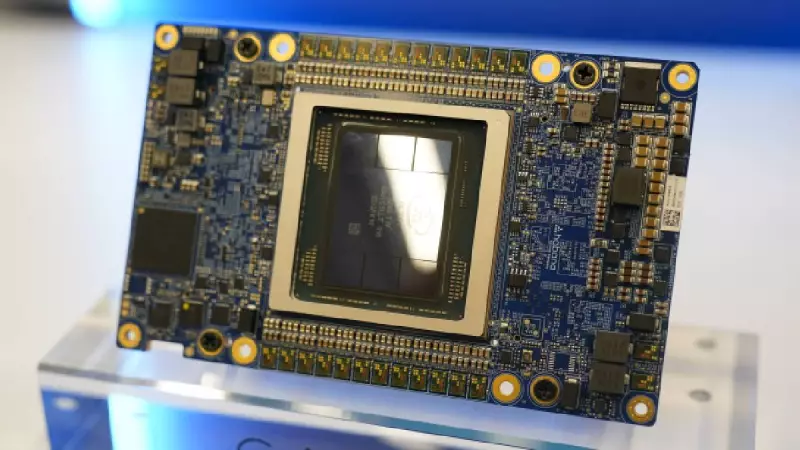
India Unveils Strategic Semiconductor Roadmap Targeting 3nm Chip Production by 2032
The Indian government has officially laid out an ambitious and comprehensive semiconductor roadmap, setting a bold target to achieve advanced 3nm chip manufacturing capabilities within the country by the year 2032. This strategic initiative is designed to position India as a significant player in the global semiconductor industry, reducing dependence on imports and fostering technological self-reliance.
Key Milestones and Timeline for Semiconductor Development
According to the newly announced plan, the government has established critical milestones leading up to the 2032 goal. By 2026, India aims to make substantial progress in establishing foundational semiconductor manufacturing infrastructure. This includes setting up fabrication units, enhancing research and development facilities, and creating a skilled workforce to support the industry's growth.
The roadmap emphasizes a phased approach, with initial efforts focused on developing capabilities for less advanced nodes before gradually progressing to more sophisticated technologies. The ultimate objective of achieving 3nm chip production represents a leap into cutting-edge semiconductor manufacturing, which is currently dominated by a few global players.

Government Initiatives and Policy Support
To facilitate this ambitious vision, the government is implementing a series of supportive policies and incentives. These measures are aimed at attracting both domestic and international investments into the semiconductor sector. Key components of the strategy include financial subsidies, tax benefits, and streamlined regulatory processes to encourage the establishment of manufacturing plants and research centers.
Additionally, the government is focusing on building robust supply chains and fostering collaborations between academia, industry, and research institutions. This holistic approach is intended to create a conducive ecosystem for innovation and production, ensuring that India can compete effectively in the high-stakes global semiconductor market.
Implications for India's Economy and Technology Sector
The successful implementation of this semiconductor roadmap could have far-reaching implications for India's economy and technological landscape. By developing domestic chip manufacturing capabilities, India aims to reduce its reliance on imports, which currently account for a significant portion of its semiconductor needs. This move is expected to enhance national security, support the growth of related industries such as electronics and telecommunications, and create numerous job opportunities.
Moreover, achieving 3nm chip production would place India among the elite group of nations capable of manufacturing the most advanced semiconductors. This could boost the country's standing in global technology forums and attract further investments in high-tech sectors. The roadmap also aligns with broader government initiatives like Make in India and Digital India, reinforcing the commitment to building a self-sufficient and innovative economy.
Challenges and Future Prospects
While the roadmap outlines a clear vision, several challenges must be addressed to realize these goals. These include the high capital investment required for semiconductor fabrication, the need for specialized expertise, and intense global competition. However, with strong government backing and a strategic focus on incremental progress, India is poised to make significant strides in this critical industry.
As the world increasingly relies on semiconductors for everything from smartphones to artificial intelligence, India's push into advanced chip manufacturing marks a pivotal step towards technological sovereignty and economic resilience. The coming years will be crucial in monitoring the progress of this roadmap and its impact on the nation's industrial and technological future.






