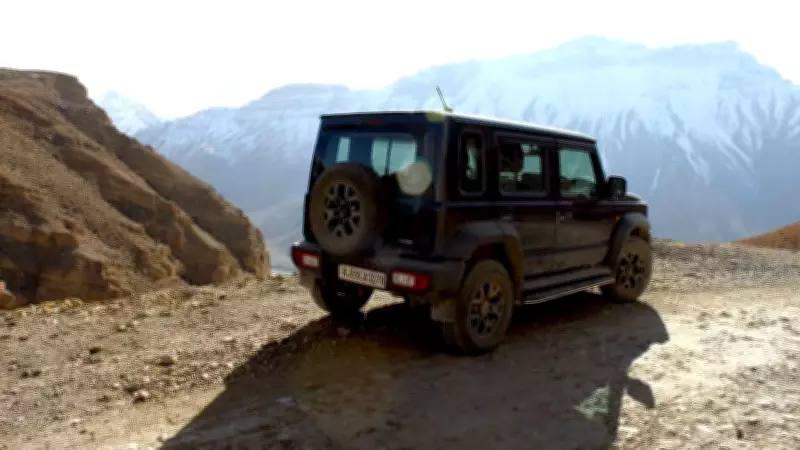
How to Prepare Your Car for Extreme Off-Road Conditions
Preparing your car for extreme off-road conditions is not merely about embarking on an adventure; it is a critical process focused on safety, reliability, and optimal performance. The harsh and unpredictable nature of off-road terrains subjects your vehicle to significant risks and stress. Proper preparation enhances durability, prevents breakdowns, and ensures a smoother experience in extreme environments. Here is a comprehensive guide to effectively prepare your car for off-road challenges.
Perform a Complete Vehicle Inspection
Before venturing into off-road conditions, conduct a thorough inspection of your car. Start by checking essential fluids such as engine oil, brake fluid, coolant, and transmission fluid. Additionally, examine critical components including the drive shaft and suspension system. A meticulous inspection helps identify potential issues early, reducing the risk of mechanical failures during your journey.
Equip the Right Off-Road Tires
Off-road tires play a pivotal role in navigating challenging terrains. Opt for suitable all-terrain or mud-terrain tires with deep treads to enhance traction and stability. Ensure tires are adequately inflated; slightly lower air pressure can improve grip on uneven surfaces. Durable tires also minimize the risk of punctures, providing added security and control in extreme conditions.

Upgrade Suspension and Ground Clearance
An effective suspension system is vital for handling rough terrain. Verify that all suspension parts, including shock absorbers and springs, are in proper working order. Consider upgrading to heavy-duty suspension or installing lift kits to increase ground clearance. This modification helps prevent damage from obstacles and improves overall vehicle maneuverability off-road.
Add Protective and Recovery Gear
Extreme terrains can pose threats to vital vehicle components. Install skid plates and protective guards to shield the engine, fuel tank, and transmission from impacts. Equip your car with recovery tools such as tow ropes, a winch, and a shovel. These items are essential for self-rescue in case you become stranded, ensuring you can navigate out of difficult situations safely.
Understand Terrain and Driving Setup
Preparation extends beyond vehicle modifications to include knowledge of terrain and driving techniques. Familiarize yourself with how to configure your driving system for different conditions. For example, using low gear provides improved torque for climbing steep inclines. Understanding these setups enhances control and safety, making your off-road experience more enjoyable and less hazardous.
Driving off-road demands both a well-prepared car and informed driving skills. From initial inspections and tire selection to suspension upgrades, gear installation, and terrain awareness, each step is crucial. By following these guidelines, you can embark on your off-road journey with confidence, ready to tackle extreme conditions while prioritizing safety and performance.