

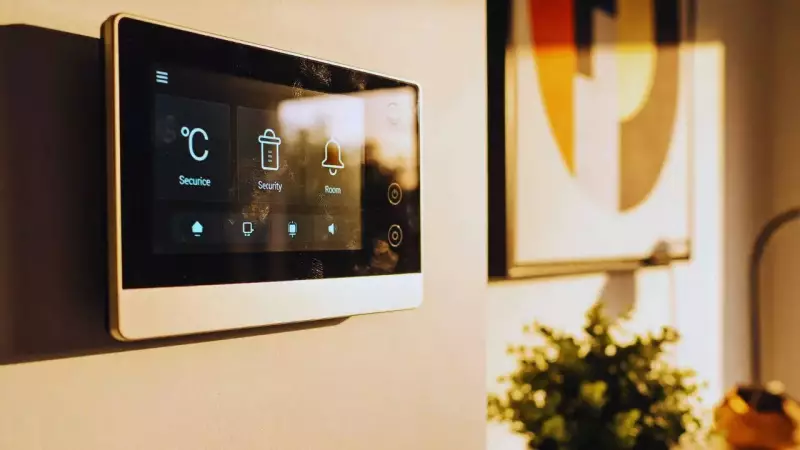
The Rise of Smart Homes in Modern India
In the 21st century, Indian family structures have undergone significant transformation. With the proliferation of nuclear families and single-person households, traditional living arrangements have evolved dramatically. This shift has fundamentally altered people's needs and expectations from their living spaces. From desiring comfortable residences to demanding enhanced security measures that protect homes during extended absences for holidays or business trips, the demand for intelligent, technologically advanced homes has surged substantially.
Why Traditional Security Falls Short
Conventional locks and keys have become increasingly inadequate against modern burglars equipped with sophisticated tools. Simultaneously, the availability of family members or domestic help to manage household chores like adjusting air conditioning, operating appliances, or managing curtains has diminished significantly. These requirements become particularly crucial in homes with elderly residents, making home automation not just a luxury but a necessity for many Indian families.
Understanding Home Automation Systems
Home automation systems provide centralized control over multiple household appliances and electronic devices through a unified platform. These systems enable users to manage lighting, fans, air conditioners, security locks, and various sensors through automation, pre-scheduled operations, or remote control. Control methods typically include mobile applications, voice commands, or simple gestures on smart devices.

According to recent analysis by Ken Research, the Indian home automation market currently holds an estimated value of $5.8 billion and continues its upward trajectory. This growth is fueled by multiple factors including rapid urbanization, increasing household incomes across India, and growing awareness about energy conservation. While convenience remains a significant driver, research indicates that security and safety solutions represent the primary motivations for homeowners adopting these technologies.
Market Evolution and Key Features
The home automation market, projected to experience substantial growth through 2026, is increasingly characterized by solutions offering seamless smartphone integration, intuitive touch interfaces, and compatibility with popular voice assistants like Alexa and Google Assistant. Common systems feature dedicated mobile applications that serve as comprehensive remote controls for managing light fixtures, ceiling fans, kitchen appliances, and window treatments.
These sophisticated systems enable fingertip, remote, and voice-controlled operation of everyday household elements, creating an elevated, energy-efficient lifestyle that merges modern aesthetics with practical convenience. Energy efficiency has emerged as a particularly compelling factor driving home automation adoption. Automated systems ensure devices don't consume unnecessary power, allowing individuals to manage their home environment efficiently from any location.
Five Compelling Reasons for Home Automation Adoption
1. Effortless Control Through Multiple Interfaces
Home automation is revolutionizing how Indians interact with their living spaces by prioritizing simplicity over technological complexity. Smart lighting and temperature control systems enable users to create comfortable environments with minimal effort through easy monitoring and adjustment capabilities. In Indian households where long working hours are common, maintaining comfort without constant manual intervention becomes essential. Instead of repeatedly operating switches for lights, fans, or air conditioning, automated homes adapt to daily routines, making everyday life significantly more manageable.
2. Enhanced Security for Peace of Mind
Beyond convenience, security considerations have become a major motivation for Indian homeowners embracing automation. These systems enable remote property monitoring, allowing homeowners to check door statuses, observe entry points, and receive real-time alerts about unusual activities. This capability provides invaluable peace of mind for families with elderly parents, children, or frequent travelers, creating reliable safety management that functions autonomously.

3. Time-Saving Everyday Convenience
By consolidating multiple tasks under unified control, home automation simplifies daily living significantly. Lighting, appliances, and climate systems can follow predetermined schedules or respond to simple commands. In busy households, this convenience accumulates substantially, transforming tasks that previously required repeated manual effort into automatic operations that conserve both time and mental energy. The emergence of user-friendly mobile applications and voice controls has made these systems increasingly accessible to first-time users.
4. Automated Energy Conservation
Home automation facilitates energy cost savings without requiring constant consumption monitoring. While most consumers desire reduced electricity expenses, few have the time or inclination for daily energy tracking. Automated systems ensure devices power down when inactive, schedule high-energy appliances for optimal operation, and implement energy conservation protocols automatically. Over time, this approach significantly reduces energy consumption and utility costs.
5. Simplified Living Environments
Smart homes eliminate the need for multiple switches, remotes, and manual controls, creating cleaner, more organized living spaces. Reduced visible controls mean less visual clutter and more peaceful environments. This simplicity contributes to mental comfort as well, with fewer equipment pieces creating calmer atmospheres. Homes become less chaotic, more manageable, and better aligned with increasingly simplified modern lifestyles.
Investment Considerations for Home Automation
Home automation solutions span a wide price spectrum, with options available for various budgets. Individual devices like smart plugs typically range between Rs 800 to Rs 1,200, while smart bulbs generally cost Rs 500 to Rs 1,000. Wi-Fi-enabled security cameras usually fall within the Rs 2,500 to Rs 5,000 range.
Basic whole-home setups incorporating essential security, lighting, and voice assistant integration typically require investments of Rs 50,000 to Rs 200,000. Mid-range configurations including comprehensive smart lighting, temperature control, security systems, and additional Wi-Fi services generally range from Rs 200,000 to Rs 500,000. Advanced automation systems with extensive capabilities often exceed Rs 500,000, depending on specific requirements and technological sophistication.
The evolution of smart homes across India is increasingly focused on creating user-friendly, cost-effective, and intuitive experiences. This represents a significant shift from complex technological implementations toward comfortable, adaptive living environments that naturally accommodate residents' routines while conserving energy and ensuring family safety.





