

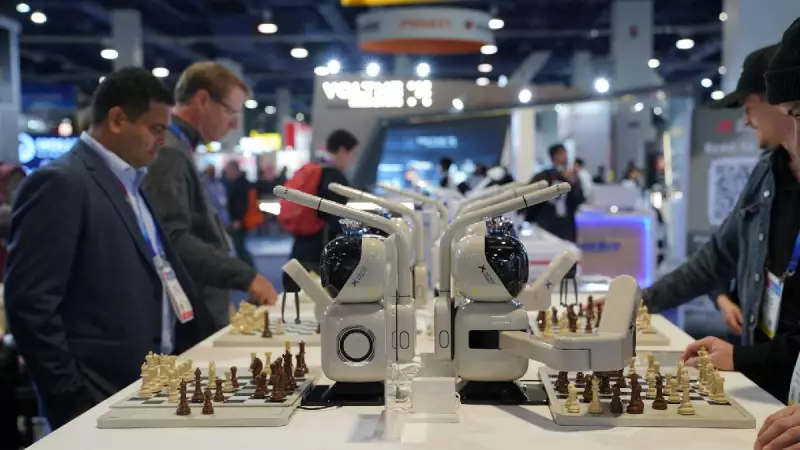
The Consumer Electronics Show (CES) 2026, held in Las Vegas, has once again set the benchmark for technological innovation, offering a breathtaking glimpse into the near future of our homes and daily lives. This year's event, which concluded recently, moved beyond conceptual prototypes to present practical, almost-ready-for-market solutions aimed at solving everyday chores. The dominant theme was seamless home automation, with robotics and artificial intelligence taking center stage to redefine domestic convenience.
Robots Take Over Household Chores
The most talked-about revelation was the emergence of sophisticated domestic robots designed for specific tasks. Leading this charge was a fully functional laundry-folding robot that captured global attention. This device represents a significant leap from previous laundry tech, which mostly handled washing and drying. The robot can identify different types of clothing—from t-shirts and jeans to delicate towels—and fold them with precise, consistent movements. It uses a combination of advanced computer vision and gentle robotic arms to sort, smooth, and neatly stack clothes, promising to liberate users from one of the most tedious household tasks.
Another standout in home robotics was a smart gardening assistant. This autonomous unit can monitor soil health, dispense water and nutrients with precision, and even identify weeds for removal. It connects to a home's Wi-Fi network, allowing users to manage their garden via a smartphone app, making urban farming more accessible and less labor-intensive.

AI Transforms the Kitchen into a Personal Restaurant
The kitchen saw perhaps the most dramatic infusion of AI. Several companies unveiled their versions of an AI chef, a countertop appliance that goes far beyond a simple recipe follower. These smart cooking companions can suggest meals based on the ingredients available in your connected smart fridge, account for dietary restrictions, and guide you through each step with visual prompts. Some high-end models even feature robotic components that can stir, flip, or season food autonomously, ensuring perfect results every time.
Complementing the AI chef was a new generation of smart kitchen counters with built-in induction cooktops and interactive displays. These surfaces can recognize pots and pans placed on them, automatically adjusting heat and even displaying cooking timers or recipe videos directly on the countertop surface next to the cookware.
Health, Wellness, and Personalized Mirrors
Health and wellness technology also made significant strides. The smart mirror evolved from a simple display into a comprehensive health dashboard. The latest versions use subtle sensors and cameras to perform quick health checks. In just 30 seconds, they can provide metrics like heart rate variability, skin health analysis, and signs of potential stress or fatigue. These mirrors then sync this data with your fitness tracker or health app, offering a holistic view of your well-being alongside your reflection.
Furthermore, sleep technology moved beyond trackers to active environment optimizers. New smart beds and climate systems now work in tandem, using biometric data to subtly adjust room temperature, humidity, and even mattress firmness throughout the night to promote deeper, more restorative sleep cycles.
The Road Ahead: Integration and Accessibility
The overarching narrative from CES 2026 was not just about individual gadgets, but about their integration into a cohesive, intelligent home ecosystem. The focus has shifted from standalone novelty to interconnected utility. However, the key challenge highlighted by analysts remains accessibility and cost. While these technologies promise unprecedented convenience, their initial price points may place them out of reach for the average consumer initially.
Industry experts predict that as manufacturing scales and competition increases, prices will gradually fall, following the trajectory of previous tech like robotic vacuum cleaners. The innovations showcased at CES 2026, from the laundry-folding robot to the intuitive AI chef, are not mere fantasies; they are a clear roadmap for the next wave of consumer technology, set to transform our domestic lives within the coming years.






