

As home entertainment continues to evolve, the quest for a cinematic experience within our living rooms pushes consumers towards 4K projectors. But with a market flooded with options, which models in 2026 genuinely justify their price tag and deliver on their promises? A deep dive into the latest offerings reveals clear winners and helps separate marketing hype from genuine value.
The Contenders: A Lineup of Premium 4K Projectors
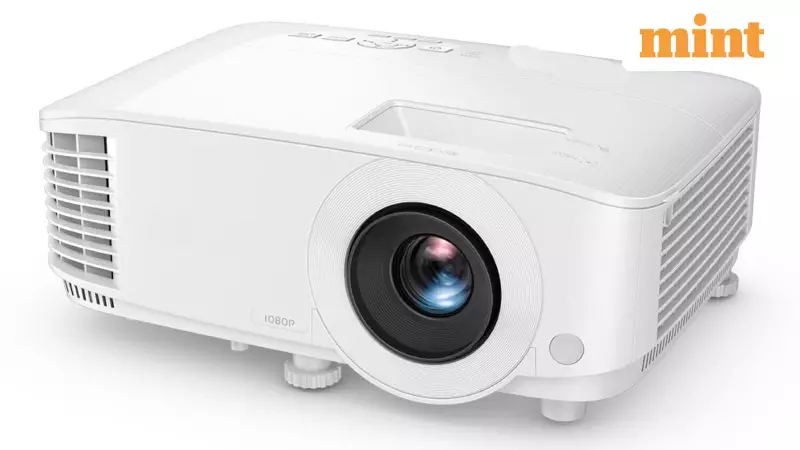
The evaluation focused on several key players in the high-end projector space. The models scrutinized include the Epson LS12000, a laser-based powerhouse known for its exceptional black levels and contrast. From BenQ, the X3100i gaming-centric projector and the TK860 were considered, each targeting slightly different user needs with their high brightness and color performance.
Also in the mix was the Optoma UHZ50, leveraging laser phosphor technology for long life and consistent brightness. The review provided a critical look at their core specifications, real-world performance, and the unique features they bring to a home theater setup.

Performance Beyond Pixels: What Really Matters
While 4K resolution is a given, the review emphasized that picture quality is determined by much more. Factors like contrast ratio, color accuracy, HDR performance, and motion handling are crucial in defining the viewing experience. The Epson LS12000, for instance, was highlighted for its superior 3LCD laser technology that delivers deep blacks without the "rainbow effect" sometimes seen in single-chip DLP projectors.
Brightness, measured in lumens, is another critical factor, especially for rooms with ambient light. Models like the BenQ TK860 boast high brightness levels, making them suitable for living rooms that aren't completely dark. The review assessed how each projector handles different content, from fast-paced sports and video games to cinematic movies, noting the importance of dedicated gaming modes with low input lag found in models like the BenQ X3100i.
Value Proposition: Is the Premium Price Worth It?
The central question of the review was to identify which projectors feel "worth owning." This involves balancing cost against performance, ease of setup, and long-term reliability. Laser-based projectors, while commanding a higher initial investment, offer significant advantages like 20,000 hours of maintenance-free operation, eliminating the need for bulb replacements.
The analysis suggests that for a dedicated home theater room with controlled lighting, the investment in a high-contrast model like the Epson LS12000 is justified for the purist. For multi-purpose media rooms or avid gamers, the versatility and high brightness of the BenQ models present a compelling case. The key takeaway is that the "best" projector depends heavily on the specific use case and viewing environment.
In conclusion, the 4K projector market in 2026 offers sophisticated technology capable of rivaling commercial cinema experiences. The worthwhile models are those that align technology with the user's specific needs—be it gaming, movie watching, or sports viewing—while offering reliable performance and future-proof features. Careful consideration of room conditions and primary content type is essential before making what remains a significant investment in home entertainment.






