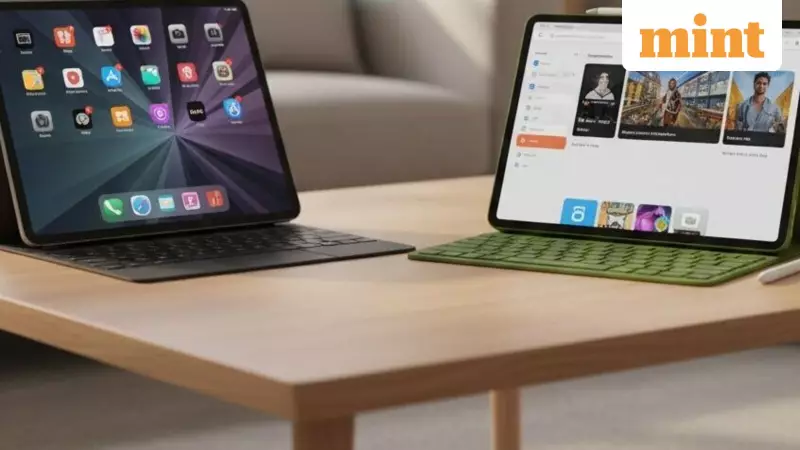
The tablet market in 2025 presents a compelling narrative: Android tablets are no longer playing catch-up but are actively challenging the dominance of Apple's iPad. With a new generation of powerful devices hitting the shelves, consumers have more reasons than ever to consider an Android alternative for their next purchase.
The New Contenders in the Android Arena
Leading the charge are several standout models that directly compete with Apple's offerings on performance, features, and price. The OnePlus Pad 3 emerges as a top choice for gamers and media enthusiasts, boasting a high-refresh-rate display for seamless visuals. For creative professionals and students, the Samsung Galaxy Tab S11 offers stunning AMOLED screen technology and precise S Pen support. Productivity seekers will find a powerful ally in the Lenovo Tab P12 Pro, which comes equipped with robust keyboard accessories and multitasking capabilities. Meanwhile, the Xiaomi Pad 7 delivers reliable daily performance without stretching your budget, making premium features accessible to more users.
Key Advantages of Choosing Android
Unmatched Variety for Every Need
While Apple maintains a relatively narrow iPad lineup, the Android ecosystem bursts with diversity. This breadth ensures that whether you are a student, a creative artist, a business professional, or a casual user, there is a tablet designed with your specific needs in mind. This level of choice is a fundamental strength of the Android platform.

Total Customization Freedom
Android's core philosophy revolves around user control and personalization. Owners can transform their device's interface by adding widgets for instant information, installing custom launchers to change the entire look and feel, and sourcing apps from beyond the official Google Play Store. This freedom allows users to craft a tablet experience that perfectly mirrors their workflow and personal style.
Practical Hardware and Expandable Storage
On the hardware front, Android tablets often provide practical features that Apple has phased out. Many models from manufacturers like Lenovo and Xiaomi include microSD card slots, allowing for cheap and easy storage expansion. Furthermore, the enduring presence of the headphone jack on several devices is a welcome convenience for many users, alongside the now-standard USB-C ports that support fast charging and accessory connectivity.
Seamless Google Ecosystem Integration
For the vast number of users already embedded in the Google universe, an Android tablet offers a native and frictionless experience. Logging in once syncs your entire digital life—Gmail, Drive, Docs, Photos, and YouTube—across your phone and tablet. This eliminates the hassle of manual file transfers and creates a cohesive, time-saving ecosystem that feels intuitive.
Built-in Modern Productivity Features
Modern Android tablets come ready for serious work and play. Features like advanced split-screen multitasking, stylus support, and multi-window management are integrated into the operating system. The OnePlus Pad 3, for instance, handles multiple running applications with ease. Brands like Samsung and Xiaomi further bolster their devices' longevity with regular software updates that introduce new features and enhance security.
Making the Right Choice for You
The debate between Android tablets and iPads has evolved significantly. Published on 11 November 2025, the perspective from industry observers like Bharat Sharma highlights a market shift. For shoppers who prioritize choice, personalization, and value, today's Android tablets are not just alternatives; they are powerful, capable devices that put the user in control. They adapt to your lifestyle, rather than requiring you to adapt to them.