The laptop market in India is now flooded with devices branded as "AI PCs," each promising revolutionary improvements in performance, battery life, and multitasking. Published on 9 January 2026 by Bharat Sharma, the buzz around these machines is undeniable. Yet, a critical question remains for the average consumer: do these AI features genuinely enhance the daily computing experience, or are they merely clever marketing?
The Real-World Value of an NPU in Your Laptop
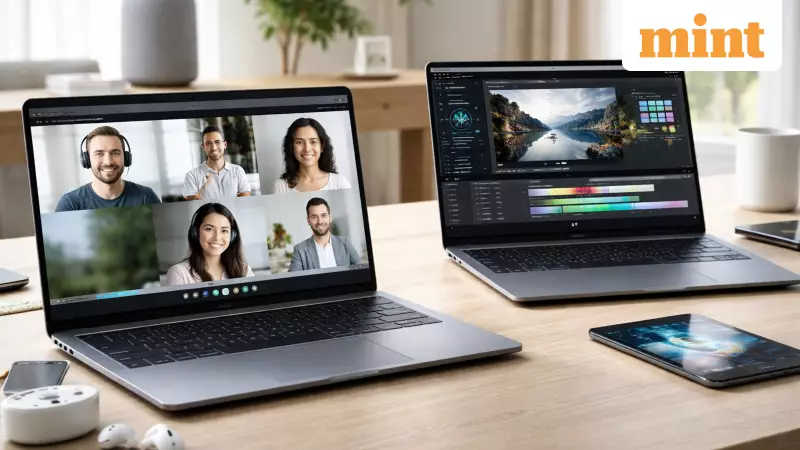
At the heart of most modern AI laptops is a specialized chip called an NPU, or Neural Processing Unit. This component is designed to handle specific background tasks more efficiently than the main CPU or graphics processor. The most tangible benefits are currently seen in scenarios like video conferencing. Features such as advanced noise cancellation, dynamic background blur, and automatic speaker framing, which once strained system resources, now run smoothly on the NPU.
Users of newer models, including recent Microsoft Surface and Lenovo Yoga devices, report a noticeable difference. The experience is less about raw power and more about seamless operation—fewer stutters, no sudden fan noise, and a cooler device. For professionals and students in India engaged in hybrid work or online classes, these improvements are immediate and meaningful.

Battery Life: The Silent Victory for AI PCs
Another area where AI quietly proves its worth is battery longevity. By offloading repetitive, low-level tasks to the power-efficient NPU, the system generates less heat and consumes less energy. You won't see a flashy notification, but you will feel the impact as your laptop retains more charge towards the end of a long workday. For mobile users who are constantly on the move, this is a significant practical advantage.
Where the AI Hype Doesn't Match Reality
However, not all claims made for AI PCs hold water for the typical user. Promises of "AI performance boosts" that make apps load faster or the system learn your habits are often exaggerated. In many cases, this is simply automated resource management, a function that capable CPUs have handled for years.
For creative professionals using tools like Adobe Suite for video editing or content creation, the NPU can shave precious seconds off rendering times. Yet, this is not the transformative leap that a more powerful CPU or GPU provides. For gamers and everyday users who primarily browse the web, stream content, or work on documents, a solid non-AI laptop performs just as well. The core experience remains largely unchanged.
Should You Upgrade to an AI PC in India?
The decision to buy an AI-powered laptop hinges entirely on your usage patterns. If your routine is built around video calls, travel, and specific AI-enhanced creative applications, you will appreciate the smoother, more efficient experience. For this group, the upgrade is worthwhile.
For the majority, however, AI in a PC remains a "nice-to-have" feature rather than a necessity. The software ecosystem is still evolving to fully leverage this hardware. If you have a perfectly functional machine, upgrading solely for the "AI" label is not yet essential. The technology holds immense potential, but its most impactful applications for the masses are still being defined. For now, it represents a forward-looking upgrade, not an immediate must-have for every Indian consumer.