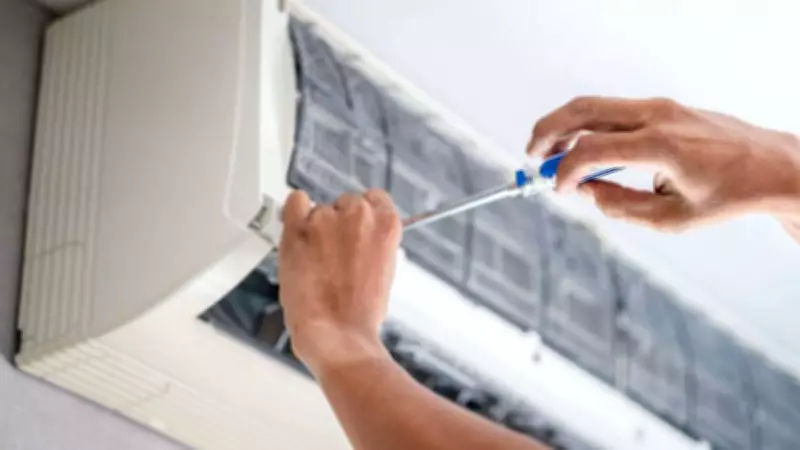
Essential AC Service Checklist: 6 Key Areas Your Technician Must Inspect
As temperatures rise, ensuring your air conditioner operates at peak efficiency becomes crucial for comfort and energy savings. Regular professional servicing is key to maintaining optimal performance and extending the lifespan of your unit. Here are six critical components that every qualified technician should thoroughly inspect during a routine AC service appointment.
1. Refrigerant Levels and Leaks
Proper refrigerant charge is fundamental to cooling efficiency. Your technician should check the refrigerant pressure using specialized gauges to ensure it matches the manufacturer's specifications. Low levels often indicate leaks, which not only reduce cooling capacity but can also damage the compressor. The technician must inspect all connections, coils, and lines for signs of leakage using electronic detectors or ultraviolet dye tests. Addressing leaks promptly prevents further system deterioration and maintains energy efficiency.
2. Air Filter Condition and Airflow
A clean air filter is essential for maintaining indoor air quality and system efficiency. During service, the technician should remove and inspect the filter, replacing it if it appears clogged with dust, pollen, or debris. Restricted airflow from a dirty filter forces the AC to work harder, increasing energy consumption and potentially causing the evaporator coil to freeze. The technician should also check the blower fan and ductwork for obstructions to ensure proper air circulation throughout your home.

3. Electrical Components and Connections
Electrical safety and reliability are paramount in AC systems. The technician must examine all wiring, terminals, and connections for signs of wear, corrosion, or overheating. Loose connections can lead to system failures or even fire hazards. Testing the capacitor and contactor for proper operation is crucial, as these components control the compressor and fan motors. Additionally, verifying that the thermostat is calibrated correctly ensures accurate temperature control and prevents unnecessary cycling.
4. Condenser and Evaporator Coils
Both the outdoor condenser coil and indoor evaporator coil require regular cleaning to maintain heat transfer efficiency. The technician should inspect these coils for dirt, debris, or algae buildup that can insulate them and reduce their ability to absorb or release heat. Using appropriate cleaning solutions and techniques, they should remove any accumulation to restore optimal performance. Clean coils help the system cool more effectively while reducing strain on the compressor.
5. Drainage System and Condensate Line
A clogged condensate drain line can lead to water damage and mold growth. The technician should check the drain pan and line for blockages caused by algae, sludge, or mineral deposits. They may use a wet-dry vacuum or specialized tools to clear any obstructions and ensure proper drainage. Additionally, inspecting the drain pan for cracks or rust prevents potential leaks that could damage your ceiling or walls. Proper drainage is essential for maintaining indoor humidity levels and preventing microbial growth.
6. Overall System Performance and Noise Assessment
Finally, the technician should conduct a comprehensive performance evaluation. This includes measuring the temperature drop across the evaporator coil to verify cooling efficiency and checking for unusual vibrations or noises that might indicate mechanical issues. Listening for rattling, grinding, or squealing sounds can help identify problems with bearings, belts, or motors before they lead to major repairs. The technician should also assess the system's cycling behavior to ensure it operates within normal parameters.
By insisting on these six inspections during your AC service, you can enjoy consistent cooling, lower energy bills, and fewer unexpected breakdowns. Regular maintenance not only enhances comfort but also protects your investment in home climate control technology.