A groundbreaking scientific study is quietly reshaping how researchers understand human evolution, focusing on something surprisingly small: ancient tooth proteins preserved inside fossils around 400,000 years old. These teeth, discovered in China, are linked to early human ancestors. The findings suggest that long-lost human populations may have interacted in ways scientists did not clearly understand before. The study reportedly connects early Homo erectus groups with later human relatives, including Denisovans, through shared genetic markers. It serves as a reminder that human evolution might not be a straight line, but a complex web of connections still being uncovered, piece by piece, through rare and delicate evidence.
Fossil Teeth from China Unlock 400,000-Year-Old Proteins
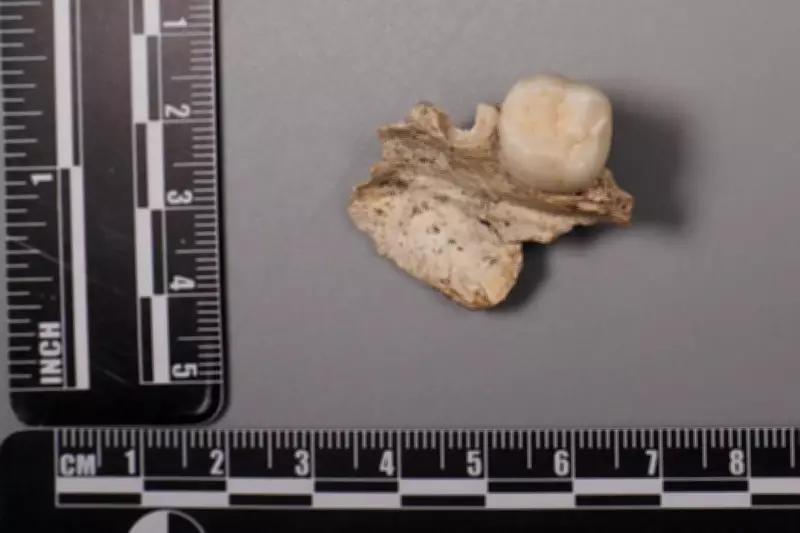
The researchers analyzed six teeth from archaeological digs in China, including the famous Zhoukoudian area, which is well known for early human remains related to Homo erectus. These teeth are incredibly old, dating back to at least 400,000 years ago, making them some of the oldest human specimens to be analyzed at the molecular level in East Asia. The team managed to extract enamel proteins from these teeth, a feat that is remarkable because such proteins have a very unstable structure and seldom last that long. Apparently, the process was facilitated by favorable preservation conditions. The results were published in the journal Nature in a study titled 'Enamel proteins from six Homo erectus specimens across China'. According to reports, these findings have expanded the timeline of ancient human molecular analysis by 160,000 to 400,000 years.
How Researchers Extracted Proteins Without Damaging Teeth
What makes this discovery even more interesting is the method used to extract the proteins. Traditional techniques often involve grinding or drilling into fossils, which can damage rare specimens. In this case, researchers employed a much less destructive approach. They applied a mild acid-etching technique that removes only a thin layer from the tooth enamel. This process allows tiny protein fragments to be released without visibly harming the fossil itself. Lead researcher Fu Qiaomei from the Chinese Academy of Sciences reportedly explained that the acid solution gently 'washes' the surface of the tooth, dissolving the outer mineral layer and freeing hidden proteins underneath. This method has been in development since 2011 and was originally used on much younger samples. Over time, it has been refined and adapted for deeper evolutionary research.

One Mutation, Two Ancient Human Worlds
The most remarkable finding is the discovery of a genetic marker within the ancient proteins. Researchers found that one specific genetic mutation, AMBN-M273V, occurred in all six teeth tested. This genetic mutation had been seen before in Denisovan fossils discovered first in Siberia. Denisovans were an ancient human species known to have interbred with the early ancestors of modern humans, leaving behind genetic markers that can be found even today in some populations, particularly those living in Southeast Asia and Oceania. What was more surprising was that the same genetic mutation has been detected in Homo erectus fossil remains dating from even further back in time and found in China. Another genetic marker, AMBN-A253G, was detected in all six teeth and had previously been unseen in any other ancient humans or animals, including modern humans or apes. This could serve as a genetic marker for a unique East Asian species of early humans. Scientists believe that it could help classify other fossils as part of the same family group, despite differences in morphology.
What This Could Mean for Human Evolution
What stands out most in this study is not the conclusion itself but the path that needs to be taken further. These ancient populations might have been instrumental in forming subsequent populations, either directly or indirectly. This would mean their DNA got into the genomes of Denisovans and then into modern human populations due to further interbreeding. The findings underscore the complexity of human evolution and the importance of molecular analysis in uncovering hidden connections.