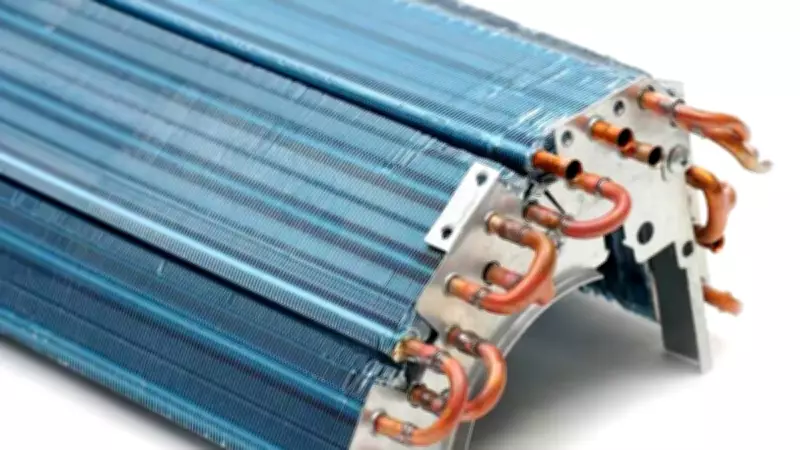
AC Not Cooling After Servicing? The Hidden Culprit Could Be Your Cooling Coil
If your air conditioner is still not cooling effectively even after a recent servicing, it can be a frustrating and puzzling experience. Many homeowners assume that a standard service should fix all issues, but sometimes, the problem lies deeper within the system. One often-overlooked component that could be to blame is the cooling coil. This critical part plays a vital role in the refrigeration cycle, and when it malfunctions, it can severely impact your AC's performance.
Understanding the Role of the Cooling Coil
The cooling coil, also known as the evaporator coil, is an essential element in your air conditioning unit. It is responsible for absorbing heat from the indoor air, allowing the refrigerant to evaporate and cool the space. When this coil is damaged, dirty, or leaking, it can disrupt the entire cooling process, leading to inadequate temperature control and reduced efficiency.
Signs That Your Cooling Coil Might Be the Problem
Several indicators can suggest that the cooling coil is the hidden issue behind your AC's poor performance. Look out for these common signs:

- Weak Airflow: If the air coming from the vents feels less powerful than usual, it could be due to a clogged or damaged coil restricting airflow.
- Warm Air Output: Despite the AC running, if the air isn't cold, the coil might not be absorbing heat properly, often due to leaks or refrigerant issues.
- Ice Formation: Ice buildup on the coil or refrigerant lines is a clear sign of problems, such as low refrigerant levels or airflow blockages.
- Unusual Noises: Hissing or bubbling sounds can indicate refrigerant leaks from the coil, which compromise cooling efficiency.
- High Humidity Levels: An inefficient coil may fail to dehumidify the air effectively, leaving your home feeling damp and uncomfortable.
Common Causes of Cooling Coil Issues
Cooling coil problems can arise from various factors, many of which might not be addressed during routine servicing. Key causes include:
- Dirt and Debris Accumulation: Over time, dust, dirt, and other particles can accumulate on the coil, reducing its ability to transfer heat and leading to poor cooling.
- Refrigerant Leaks: Leaks in the coil can cause refrigerant levels to drop, preventing the AC from cooling properly and potentially damaging the compressor.
- Physical Damage: Corrosion, bends, or cracks in the coil can occur due to age, poor maintenance, or environmental factors, hindering its function.
- Improper Installation: If the coil was not installed correctly during manufacturing or previous repairs, it may not operate efficiently.
- Lack of Regular Maintenance: Skipping annual check-ups can allow minor issues to escalate into major problems with the coil.
Solutions and Preventive Measures
Addressing cooling coil issues requires a proactive approach to ensure your AC runs smoothly. Consider these solutions:
- Professional Inspection: Hire a certified HVAC technician to thoroughly inspect the cooling coil for leaks, damage, or dirt buildup. They can use specialized tools to diagnose the problem accurately.
- Cleaning and Maintenance: Regular cleaning of the coil can prevent dirt accumulation. Use gentle methods to avoid damaging the delicate fins.
- Repair or Replacement: Depending on the severity, the coil may need repairs, such as sealing leaks, or a complete replacement if it's beyond repair.
- Check Refrigerant Levels: Ensure refrigerant levels are optimal and address any leaks promptly to maintain cooling efficiency.
- Schedule Annual Servicing: Include coil checks in your routine AC maintenance to catch issues early and avoid costly repairs.
By understanding the potential role of the cooling coil in your AC's performance, you can take informed steps to troubleshoot and resolve cooling issues. If problems persist after servicing, don't hesitate to seek professional help to restore comfort to your home.