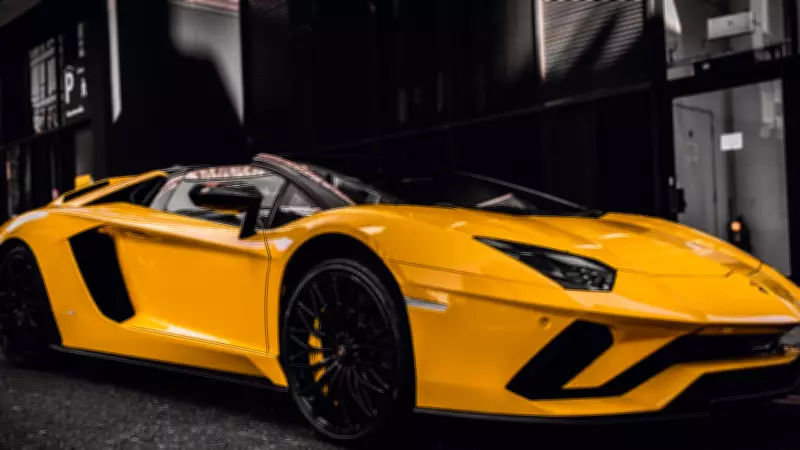
6 Essential Luxury Car Maintenance Tips Every Owner Should Follow
Owning a luxury car transforms the driving experience completely. The doors close with a solid, reassuring thud, the cabin becomes nearly silent, and every aspect of steering and suspension feels meticulously engineered. However, beneath that seamless performance lies precision machinery that demands equally precise care. Luxury vehicles are far more than regular cars with premium badges; they operate with tighter tolerances, advanced electronics, and high-performance components designed for superior standards. The distinction between a luxury car that ages beautifully and one that becomes a costly repair burden often hinges on meticulous maintenance between scheduled services. Here are six maintenance practices that experienced luxury car owners consistently rely on.
Respect the Service Schedule as Integral Engineering
With luxury vehicles, the service schedule is not merely a suggestion—it is an essential part of the design. Premium engines typically incorporate turbochargers, complex cooling systems, and sophisticated transmission software that require regular calibration. Skipping a service might not cause immediate issues, but minor imbalances, slightly degraded oil, sensors drifting out of tolerance, or early brake wear can accumulate gradually. Seasoned owners view servicing not as a chore but as a performance reset. After maintenance, the car emerges sharper, smoother, and quieter, precisely as intended by its engineers.
Never Compromise on Fluids
If there is one area where luxury cars quickly penalize shortcuts, it is with incorrect fluids. High-performance engines generate increased heat and pressure compared to standard models, necessitating specific fully synthetic oils, specialized coolants, and manufacturer-approved transmission fluids. These are not branding exercises but engineered solutions to protect sensitive components under stress. Using cheaper alternatives might offer short-term savings, but within a turbocharged engine or precision gearbox, such compromises can silently accelerate wear. Veteran mechanics emphasize that fluids are the lifeblood of any luxury car, crucial for longevity and performance.

Treat Tyres as Performance Equipment, Not Consumables
Luxury cars often feature low-profile performance tyres that significantly influence road feel. These tyres provide sharper steering response and enhanced grip but are also more susceptible to poor maintenance. Slight underinflation can dull handling, while overinflation may reduce grip and cause premature wear in the centre. Checking tyre pressure every few weeks, especially before long journeys, ensures the car drives as engineers designed. Wheel alignment is equally critical; even minor misalignment can quietly degrade expensive tyres well before their expected lifespan.
Protect the Paint Before Fading Begins
Luxury car paint is not just a coating; it is a meticulously layered finish crafted to create depth and gloss under sunlight. However, this beauty faces constant threats from UV rays, dust, pollution, and bird droppings, which can gradually erode the protective clear coat. Regular washing with a pH-balanced shampoo helps preserve the finish, while ceramic coatings or paint protection film offer additional defence. Simple practices like choosing shaded parking can dramatically slow exterior ageing. Owners who maintain their paint diligently often find their vehicle continues to attract admiration years later.
Maintain the Cabin Like a Luxury Living Space
Step inside a luxury car, and the difference is immediate: supple leather, finely stitched surfaces, and elegant accents of brushed metal or wood. These materials feel exceptional but require thoughtful care. Leather seats benefit from occasional conditioning to prevent drying and cracking. Microfiber cloths clean delicate surfaces without scratching, and shielding the cabin from direct sunlight preserves colours and textures. View the interior not merely as a car cabin but as a carefully designed lounge on wheels. Gentle treatment ensures it retains that premium feel for the long term.

Drive Regularly—Machines Thrive on Movement
Ironically, some luxury cars suffer from underuse rather than overuse. When a vehicle sits idle for extended periods, batteries weaken, tyres develop flat spots, and fluids settle. Mechanical systems are designed to move, circulate, and warm up. Taking the car for a weekly drive, even a brief one, keeps components functioning properly and prevents minor issues from arising. While luxury cars deliver thrilling performance, they respond best to smooth, progressive driving. Gentle acceleration during warm-up and balanced braking help extend the lifespan of mechanical parts, ensuring enduring reliability.