Ashwini Vaishnaw Advocates for Age-Based Social Media Curbs and Stricter Deepfake Regulations
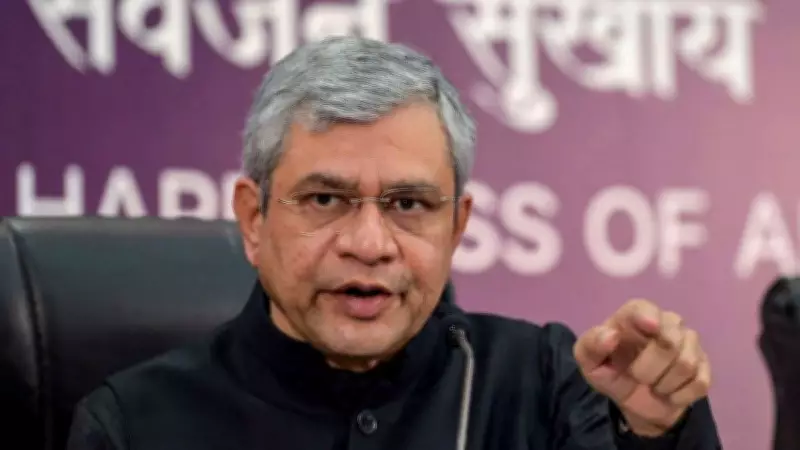
Union Minister for Electronics and Information Technology, Ashwini Vaishnaw, has strongly advocated for the implementation of age-based restrictions on social media platforms and the enactment of more stringent laws to combat the growing threat of deepfake technology. In a significant push for enhanced digital safety, Vaishnaw emphasized the urgent need for regulatory measures to protect users, particularly minors, from online harms and misinformation.
Proposal for Age-Based Social Media Restrictions
Vaishnaw highlighted the necessity of introducing age-based curbs on social media usage, pointing to the vulnerabilities of younger users in the digital space. He argued that such restrictions are crucial to shield children and adolescents from inappropriate content, cyberbullying, and other online risks. The minister suggested that platforms should enforce stricter age verification processes and limit access based on user age, aligning with global best practices for digital child protection.
This move aims to create a safer online environment by preventing underage users from exposure to harmful material. Vaishnaw noted that while social media offers numerous benefits, it also poses significant challenges that require proactive governance. He called for collaboration between the government, tech companies, and parents to ensure effective implementation of these measures.

Call for Tougher Deepfake Laws
In addition to social media curbs, Vaishnaw stressed the importance of strengthening laws against deepfakes—synthetic media created using artificial intelligence to manipulate or generate realistic but fake content. He warned that deepfakes can be used for malicious purposes, such as spreading disinformation, committing fraud, and damaging reputations, posing a serious threat to national security and social harmony.
The minister proposed enacting stricter regulations that would impose heavy penalties on creators and distributors of deepfake content. He emphasized the need for a robust legal framework to address the rapid advancements in AI technology, ensuring that laws keep pace with emerging digital threats. Vaishnaw also suggested enhancing public awareness campaigns to educate citizens about the dangers of deepfakes and how to identify them.
Government's Focus on Digital Safety
Vaishnaw's statements reflect the Indian government's broader commitment to enhancing digital safety and regulating the online ecosystem. He reiterated that the government is actively working on policies to balance innovation with user protection, aiming to foster a secure and trustworthy digital environment. The minister highlighted ongoing efforts to update existing laws, such as the Information Technology Act, to include provisions for deepfake regulation and age-based restrictions.
Key initiatives include:
- Developing comprehensive guidelines for social media platforms to enforce age verification.
- Collaborating with international bodies to share best practices on deepfake mitigation.
- Promoting research and development in AI ethics and safety technologies.
Vaishnaw concluded by urging all stakeholders to prioritize digital safety, noting that collective action is essential to tackle the complex challenges posed by social media and deepfake technology. He assured that the government will continue to engage with experts and industry leaders to formulate effective solutions.