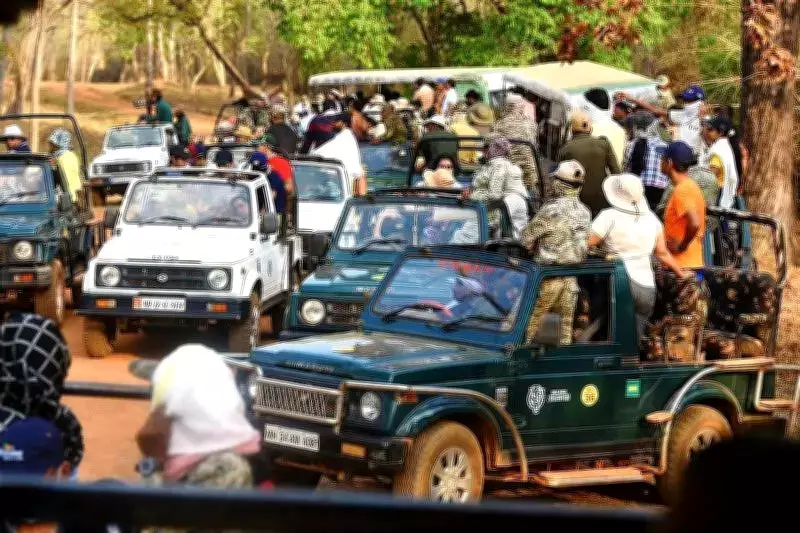
The Tadoba-Andhari Tiger Reserve (TATR) in Nagpur is preparing a proposal to transition all tourist vehicles operating within the reserve to electric power. The initiative aims to replace the petrol-run Gypsys that collectively consume over 1,000 liters of fuel daily.
Drivers Behind the Electric Shift
The push for electrification has gained momentum following Prime Minister Narendra Modi's recent call for fuel conservation. Senior forest officials informed the Times of India that more than 300 vehicles are currently engaged in tourism inside TATR, almost all running on petrol. The average safari circuit covers 35 kilometers, and many vehicles are outdated, with spare parts becoming increasingly difficult to procure.
Financing and Stakeholder Involvement
The proposal will include suggestions on financing options to assist local vehicle owners in purchasing brand-new electric vehicles. This would involve participation from state and central government agencies as well as private stakeholders.

TATR field director Prabhu Nath Shukla stated, "Many of the Gypsys are now outdated and no longer manufactured. Their maintenance has become harder as spare parts are not easily available, and wear and tear takes a toll on the vehicles." The constant off-roading adds extra stress to the aging machines. With fuel efficiency in single digits, the cost of fuel escalates quickly, especially since each vehicle covers over 30 kilometers per safari.
Economic Impact on Local Communities
Given the government's focus on providing livelihoods to people in nearby villages, the economic impact of purchasing new vehicles is also being studied. Shukla explained, "An electric vehicle could cost around Rs 15 lakh or more, so we need to see how these individuals can afford it. That is why we are planning how other stakeholders can be roped in to share the burden."
Wildlife tourism is a major source of employment for the primarily tribal community in the area. Therefore, the shift to cleaner fuel must consider their affordability. The proposal aims to balance environmental benefits with the economic realities of local operators.