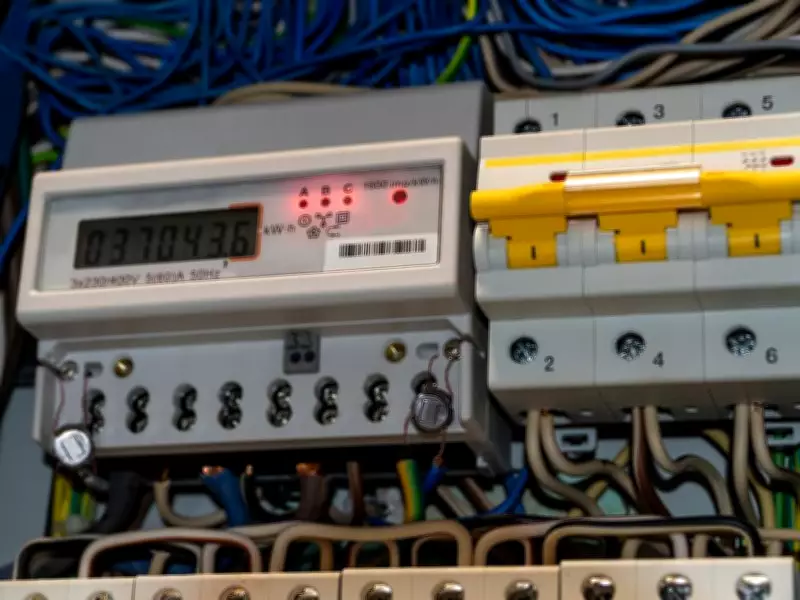
The installation of prepaid smart metres in Ropar has resulted in power disconnections at several key government offices after the prepaid balance was depleted, leaving officials and employees in the dark. The affected offices include the Deputy Commissioner's office, the Municipal Corporation, and the Civil Hospital, among others. The Punjab State Power Corporation Limited (PSPCL) had installed these metres as part of a statewide initiative to improve revenue collection and reduce power theft. However, the new system has caused disruptions as the offices failed to recharge their accounts in time.
Impact on Daily Operations
The sudden power cuts have severely hampered daily operations. At the Deputy Commissioner's office, essential services like public grievances and administrative work were stalled for hours. The Civil Hospital faced critical challenges as life-saving equipment and operation theatres were without power, forcing doctors to postpone surgeries. Employees reported that the lack of electricity also affected computer systems and official records management.
Reasons for the Disconnections
According to PSPCL officials, the prepaid smart metres require regular recharging, similar to mobile prepaid connections. The government offices had been given a grace period after installation, but once that ended, the metres automatically disconnected power when the balance ran out. Many offices were unaware of the need to monitor balances regularly, leading to the disruptions.

Reactions and Responses
District administration officials expressed frustration over the lack of proper communication from PSPCL regarding the new system. The Deputy Commissioner has directed all department heads to ensure timely recharging. PSPCL has promised to send alerts before disconnection but admitted that the system is still being fine-tuned. Meanwhile, opposition leaders have criticized the government for implementing the system without adequate preparation, calling it a failure of governance.
Broader Implications
The incident highlights the challenges of transitioning to smart metering in public institutions. While the initiative aims to reduce losses and improve efficiency, the lack of awareness and technical glitches have caused inconvenience. PSPCL is now considering providing a buffer credit facility for essential government offices to prevent future blackouts. The state government has also ordered a review of the implementation process to address such issues across Punjab.
In the long term, the success of prepaid smart metres depends on proper training, reliable technology, and robust customer support. For now, officials in Ropar are scrambling to ensure that the lights stay on in their offices.