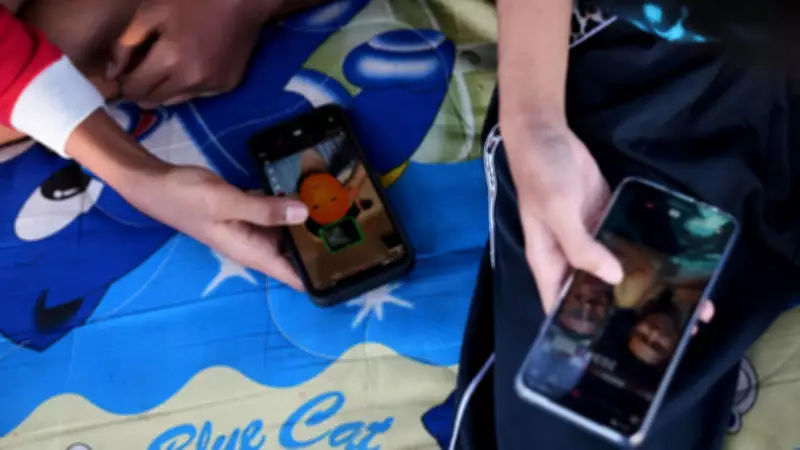
Norway plans to restrict access to social media for children under 16, joining a growing number of countries responding to concerns about the potential harm kids face online. The bill came after an “overwhelming” demand from the public, the government said on Friday. It plans to bring the legislation to parliament before the end of the year.
Details of the Proposed Ban
The limit will apply up until January 1 of the year a child turns 16, with technology companies responsible for age verification, the government stated. “We want a childhood where children get to be children,” Prime Minister Jonas Gahr Store said. “Play, friendships, and everyday life must not be taken over by algorithms and screens.”
Global Context
The Nordic nation’s move comes on the heels of bans instituted in Australia and Greece, with multiple other nations considering similar action. Australia’s restrictions came into force in December. Greece will end access to social media for children under 15 from the start of next year.

Government and Industry Reactions
“Children cannot be left with the responsibility for staying away from platforms they are not allowed to use,” Karianne Tung, Norway’s minister of digitalisation, said. “That responsibility rests with the companies providing these services.” According to an emailed statement, YouTube Inc said it believes in “protecting youth in the digital world, not from it”, and it supports a “comprehensive approach to ensure platforms are incentivised to build safer, age-appropriate experiences that also empowers parents”.
The proposed legislation underscores a broader global trend toward stricter online protections for minors. Norway’s approach places the onus on tech firms to enforce age limits, a move that could set a precedent for other nations grappling with the impact of social media on children's well-being.