Dhruv Rathee's Satirical Video Faces Removal Under IT Act Provisions
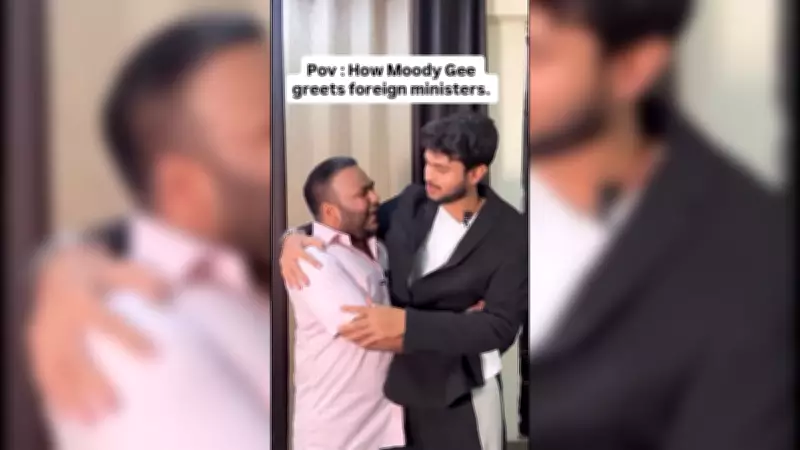
A humorous sketch, featuring two unnamed actors and disseminated by prominent political commentator and activist Dhruv Rathee, was taken down from online platforms last week. The removal reportedly occurred under the authority of Section 79(3)(b) of the Information Technology Act, 2000, a legal provision that addresses intermediary liability and content takedowns.
Legal Framework and Content Moderation
The incident highlights the ongoing tension between digital expression and regulatory oversight in India. Section 79(3)(b) of the IT Act empowers authorities to direct intermediaries, such as social media platforms, to remove or disable access to content deemed unlawful. This provision is often invoked in cases involving alleged violations of law, including defamation, hate speech, or threats to public order.
The specific reasons for the video's removal have not been officially detailed, but it underscores the broader debate about where to draw the line between satire and permissible speech. Critics argue that such actions can stifle creative expression and political commentary, while supporters maintain they are necessary to prevent misuse of digital spaces.

Context of Humor and Anxiety in Public Discourse
The video's takedown raises poignant questions about the role of humor in times of societal anxiety. In an era marked by political polarization and rapid information flow, satirical content often serves as a tool for critique and relief. However, it can also be perceived as provocative or offensive, leading to legal scrutiny.
This event reflects a growing trend where digital content, especially that which touches on sensitive political or social issues, faces increased monitoring and potential removal. The balance between protecting free speech and enforcing legal standards remains a contentious issue, with implications for activists, creators, and the general public alike.
Broader Implications for Digital India
As India continues to expand its digital footprint, incidents like this highlight the challenges of governing online spaces. Key considerations include:
- The need for clear guidelines on content moderation to avoid arbitrary enforcement.
- The impact on public discourse when satirical or critical voices are silenced.
- The role of intermediaries in complying with legal directives while upholding user rights.
This case involving Dhruv Rathee's video is likely to fuel further discussions on digital rights, censorship, and the evolving landscape of online expression in the country. Stakeholders, including legal experts, civil society, and tech companies, are closely watching how such matters are handled to shape future policies and practices.