Delhi CM launches EV subsidy portal for direct benefit transfer
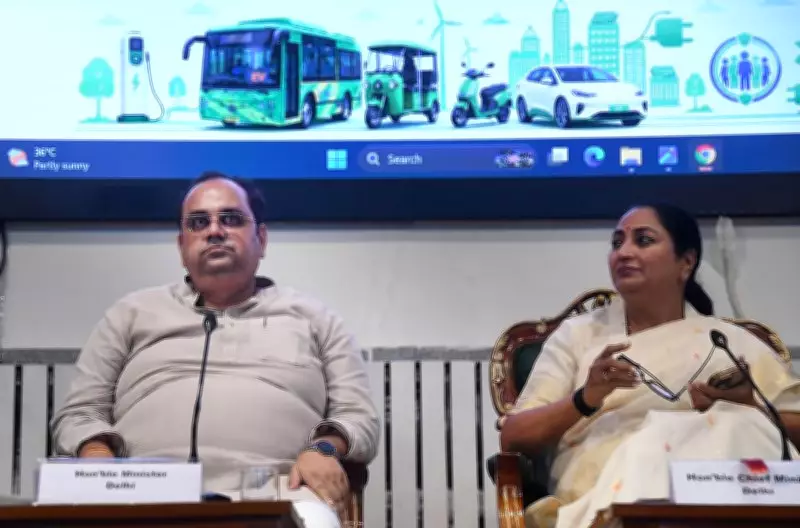
Delhi Chief Minister Rekha Gupta on Friday launched the Delhi EV subsidy portal, enabling eligible electric vehicle buyers to apply online for purchase incentives and receive subsidies through Direct Benefit Transfer (DBT). She also unveiled the official booklet of the Delhi Electric Vehicle Policy 2026 at the Delhi Secretariat, with Transport Minister Pankaj Kumar Singh, Transport Commissioner Niharika Rai, and senior officials present.
Application process and timeline
The Chief Minister said eligible beneficiaries can apply for subsidies through the portal within 30 days of purchasing an electric vehicle and receiving its registration certificate (RC). The subsidy will be transferred directly into beneficiaries’ bank accounts via Aadhaar-authenticated DBT within a maximum of 60 days after document verification. The portal allows applicants to upload documents such as Aadhaar, RC, and voter ID online, and track the status of their applications in real time. It also serves as a single platform for information on eligibility, approved EV models, incentives, required documents, and the application process under the Delhi Electric Vehicle Policy 2026.
Policy investments and incentives
Gupta said the policy was prepared after nearly a year of consultations with stakeholders and covers the entire EV ecosystem. The Delhi Government will invest over Rs 7,000 crore over the next four years to implement the policy. It provides purchase incentives of up to Rs 30,000 for electric two-wheelers, up to Rs 50,000 for electric three-wheelers, and up to Rs 1 lakh for N-1 category electric trucks. Additional incentives are available for scrapping older polluting vehicles. The policy also grants a lifetime exemption from road tax and registration fees for eligible EVs, including electric cars priced up to Rs 30 lakh (ex-showroom).

Charging infrastructure expansion
Gupta added that the government plans to establish more than 32,000 public EV charging points across Delhi by 2030 to support the growing adoption of electric vehicles. The initiative aims to promote clean mobility, reduce air pollution, and build a sustainable transport system in the national capital.