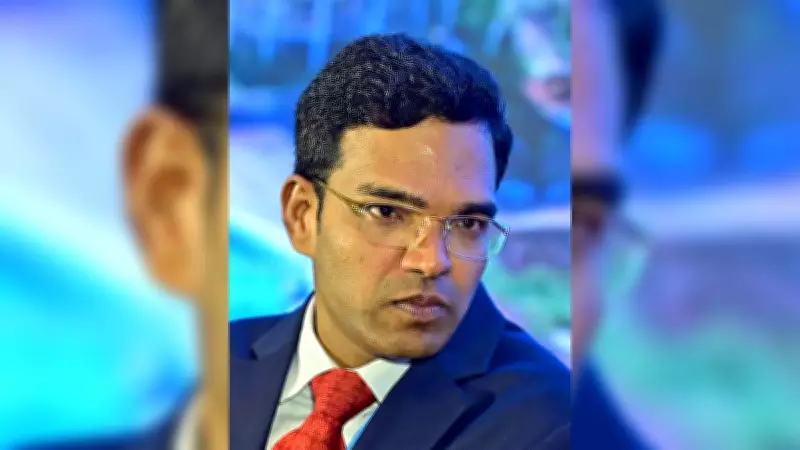
BWSSB Chairman Champions AI and Technology for Bengaluru's Water Management
The chairman of the Bangalore Water Supply and Sewerage Board (BWSSB) recently delivered a keynote address at an artificial intelligence summit, strongly advocating for the integration of advanced technology to tackle the city's pressing water management issues. This call to action underscores a strategic shift towards leveraging innovation to ensure sustainable water resources in Bengaluru.
Emphasis on Smart Solutions for Urban Water Challenges
During his speech, the BWSSB chief highlighted the critical role that artificial intelligence and other technological tools can play in modernizing water infrastructure. He pointed out that Bengaluru, as a rapidly growing metropolitan area, faces significant challenges such as water scarcity, distribution inefficiencies, and aging systems. By adopting AI-driven analytics, the board aims to enhance monitoring, predict demand patterns, and optimize supply chains to reduce wastage and improve service delivery.
The chairman stressed that technology is not just an option but a necessity for effective water governance. He cited examples like sensor-based networks for real-time data collection and machine learning algorithms for forecasting usage trends, which can lead to more informed decision-making and proactive management strategies.

Collaborative Efforts and Future Initiatives
In his remarks, the BWSSB chairman also discussed ongoing and planned initiatives that involve partnerships with tech companies and research institutions. These collaborations are focused on developing customized solutions tailored to Bengaluru's unique urban landscape, including projects on leak detection, water quality assessment, and consumer engagement through digital platforms.
The summit served as a platform to rally support from stakeholders across sectors, emphasizing a collective approach to water sustainability. The chairman reiterated the board's commitment to investing in technological upgrades and training personnel to harness these innovations effectively.
Looking ahead, the BWSSB plans to roll out pilot programs that integrate AI into daily operations, with the goal of scaling up successful models citywide. This forward-thinking approach aims to not only address immediate water concerns but also build resilience against future challenges such as climate change and population growth.