Bengaluru's garbage crisis is intensifying as a new report highlights that nearly 300 waste collection vehicles are missing from daily operations. The report, submitted by the Bengaluru Solid Waste Management Limited (BSWML), indicates that contractors have been penalized for failing to deploy an adequate number of auto tippers, but these penalties have not effectively ensured a zero-compromise waste collection system.
Scope of the Problem
The missing vehicles represent a significant gap in the city's waste management infrastructure. According to the report, out of the required fleet, approximately 300 vehicles are not operational each day, leading to uncollected garbage piling up across residential areas. This shortfall exacerbates the already strained solid waste management system in Bengaluru, which generates over 4,000 tonnes of waste daily.
Contractor Penalties and Enforcement Gaps
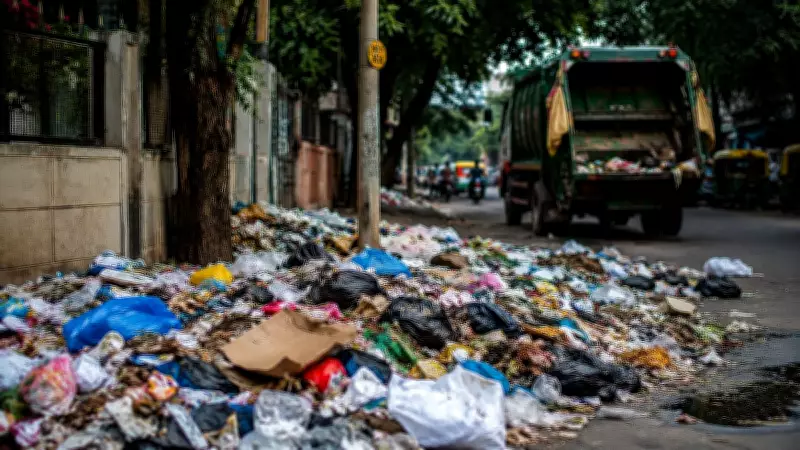
The BSWML has imposed fines on contractors for non-compliance, but the report suggests that these measures have not been stringent enough to compel improvement. The penalties are often not utilized effectively to enforce strict adherence to collection schedules. As a result, many wards continue to experience irregular waste pickups, with garbage bins overflowing and streets littered with debris.

Impact on Residents
Residents in affected areas have expressed frustration over the deteriorating conditions. The lack of regular collection has led to health hazards, including foul odors, pest infestations, and increased risk of diseases. Local community groups have staged protests, demanding immediate action from the municipal authorities.
Government Response
The Bruhat Bengaluru Mahanagara Palike (BBMP) has acknowledged the issue and stated that it is reviewing the BSWML report. Officials have promised to tighten monitoring mechanisms and impose stricter penalties on defaulting contractors. Additionally, plans are underway to introduce GPS tracking on all collection vehicles to ensure accountability and real-time tracking of waste management operations.
Long-Term Solutions
Experts suggest that Bengaluru needs a comprehensive overhaul of its waste management strategy, including increased investment in processing facilities, promotion of waste segregation at source, and community engagement programs. Without systemic changes, the crisis is likely to worsen as the city's population continues to grow.
The BSWML report serves as a critical wake-up call for authorities to address the gaps in the waste collection network and prevent further deterioration of public health and environmental conditions in Bengaluru.