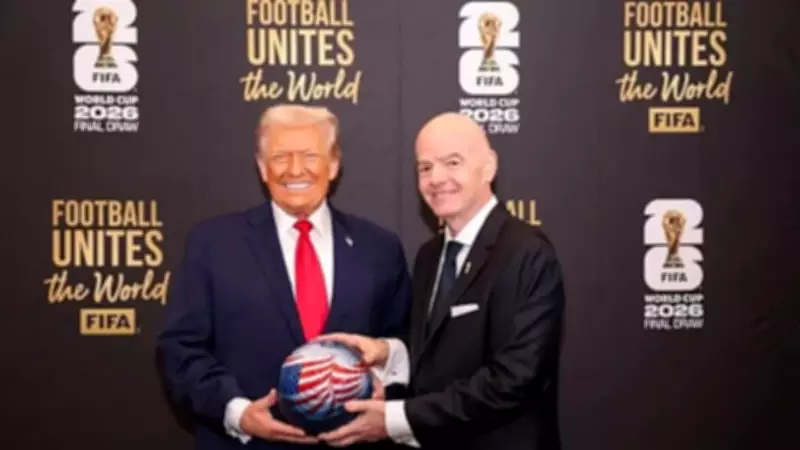
The FIFA World Cup 2026 is set to take place against a backdrop of global division, where economies have been strained by short oil supplies and rising prices, and societies are increasingly polarized by convenient narratives surrounding ongoing conflicts. This edition of the tournament comes at a time when the world is grappling with geopolitical tensions, economic uncertainty, and social fragmentation.
Economic Impact of the World Cup
Hosting the World Cup is a massive economic undertaking. With oil prices soaring due to supply shortages, many nations are feeling the pinch. The tournament, however, is expected to provide a boost to host economies through tourism, infrastructure investment, and global attention. Yet, the benefits may be unevenly distributed, and the cost of hosting could exacerbate existing inequalities.
Global Divisions and the Spirit of Sport
The World Cup has historically been a unifying event, bringing together people from diverse backgrounds to celebrate football. However, in the current climate of division, the tournament may also reflect the fractures in international relations. Some nations may use the event for political posturing, while fans navigate complex visa and travel restrictions. Despite these challenges, the power of sport to transcend borders remains a beacon of hope.

Polarized Narratives
Media coverage and public discourse around the World Cup are likely to be colored by the same polarized narratives that dominate global politics. Issues such as human rights, environmental impact, and geopolitical alignments will be scrutinized. The tournament's organizers face the task of promoting unity while addressing legitimate concerns.
As the world tunes in for the 2026 FIFA World Cup, the event serves as a mirror to our times—a spectacle of athletic excellence set against a complex backdrop of division and resilience. Whether it can inspire a sense of shared humanity remains to be seen.