As Bengaluru races to implement the four-way waste segregation system under the Solid Waste Management (SWM) 2026 plan, significant gaps in infrastructure, rising costs, and ground-level realities are raising tough questions about the initiative's feasibility. The new rules require households and businesses to separate waste into four categories: wet, dry, hazardous, and sanitary. However, early reports indicate that many areas lack the necessary bins, collection vehicles, and processing facilities to handle the increased segregation demands.
Uncleared garbage piles up
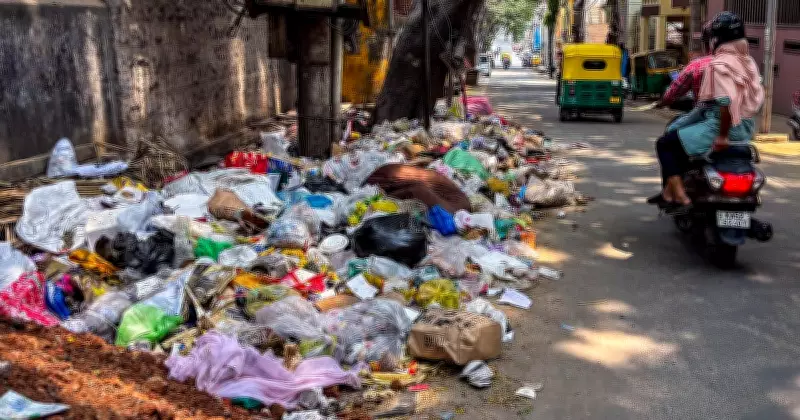
In Yarab Nagar's Banashankari area, uncleared garbage piles have accumulated outside the Primary Health Center, highlighting the persistent problem of inefficient waste collection. Residents complain that despite the new rules, garbage trucks often mix segregated waste during collection, undermining the entire process. The Bruhat Bengaluru Mahanagara Palike (BBMP) has acknowledged delays in distributing color-coded bins and training sanitation workers.
Cost and compliance concerns
Small businesses and apartment complexes face additional costs for purchasing multiple bins and arranging separate storage space. Many residents are confused about the categorization of certain items, such as diapers and electronic waste. Environmental activists argue that without proper enforcement and public awareness campaigns, the four-bin plan will face the same fate as previous segregation attempts.

The BBMP has set a deadline of December 2026 for full compliance, but experts doubt whether the city's waste management infrastructure can scale up in time. The civic body is also grappling with a shortage of processing plants for hazardous and sanitary waste. As Bengaluru generates over 6,000 tonnes of waste daily, the success of SWM 2026 hinges on closing these systemic gaps and ensuring accountability at every level.