Major Cyber Fraud Scam Hits Visakhapatnam, Victims Lose Over ₹65 Lakh
In a disturbing wave of digital deception, more than twenty residents across Visakhapatnam, commonly known as Vizag, have fallen prey to sophisticated cyber fraud schemes, collectively losing a staggering sum exceeding ₹65 lakh. The criminals behind these attacks have been masquerading as legitimate customer support executives from prominent mobile payment applications, exploiting trust to execute their malicious plans.
How the Scams Unfolded: Real-Life Cases
One particularly heartbreaking incident involved a 65-year-old man who received an unsolicited call from an individual pretending to represent a well-known digital payment platform's support team. The fraudster, with convincing urgency, informed the victim of a critical technical issue that required immediate attention to prevent account disruption. Under this guise, the scammer sent deceptive links directly to the man's smartphone, instructing him to click on them promptly.
Believing the call to be genuine, the elderly victim complied, inadvertently sharing sensitive personal and financial information. This breach allowed the criminals to gain unauthorized access to his device, resulting in a devastating financial loss of ₹1.75 lakh. In a separate but equally alarming case, another Vizag resident was duped out of a massive ₹20 lakh after clicking on similar fraudulent links, highlighting the severe financial impact of these schemes.

Technical Breakdown: The APK Malware Method
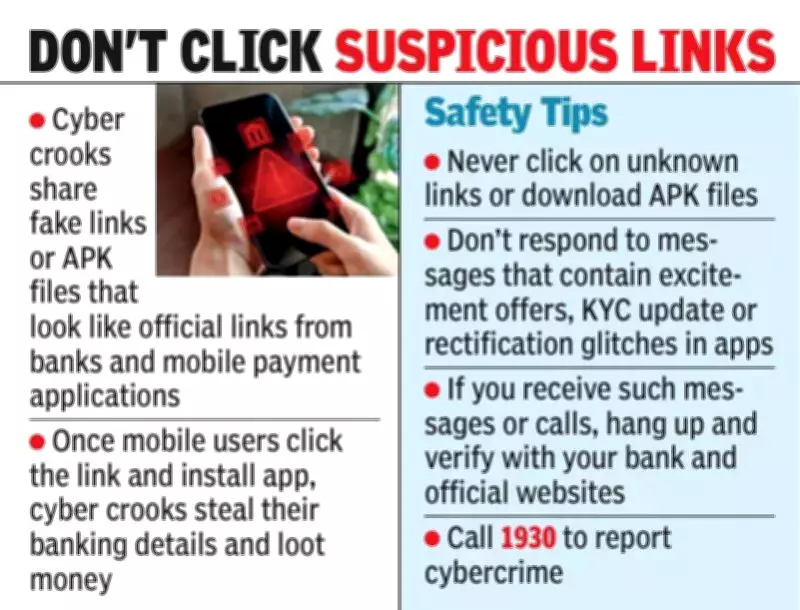
According to cybercrime experts, the fraudsters employ a highly technical approach by manipulating Android Package Kit (APK) files. These files, typically used for app installations on Android devices, are altered to embed malicious software, or malware. The criminals then distribute these corrupted APKs through carefully crafted messages that closely mimic official communications from trusted companies.
The process involves converting legitimate-looking webpages into app-like interfaces and modifying the underlying code to infiltrate devices. Once installed, the malware can hijack the device, steal data, and facilitate unauthorized transactions, leaving victims vulnerable to extensive financial and personal harm.
Diverse Tactics Used by Cybercriminals
Police investigations have revealed that these cybercrooks utilize a variety of deceptive strategies to lure victims. Beyond impersonating payment app support, they exploit common administrative and financial processes to create a sense of legitimacy. Key modus operandi include:
- Fake KYC (Know Your Customer) update requests
- Fraudulent Aadhaar card update notifications
- False offers for credit card limit increases
- Deceptive new credit card application prompts
- Malicious stock trading app promotions
Each of these tactics is designed to pressure individuals into clicking on harmful links or downloading compromised applications, often under the pretense of urgent action required to avoid penalties or gain benefits.
Official Advice to Prevent Future Frauds
In response to this escalating threat, law enforcement officials have issued crucial guidelines for the public. They strongly advise netizens to exercise extreme caution online, emphasizing that vigilance is the first line of defense against such scams. Key recommendations include:
- Avoid clicking on suspicious links received via messages, emails, or calls, even if they appear to come from known sources.
- Never grant permissions to access sensitive information, such as banking details or passwords, to unverified applications or individuals.
- Verify the authenticity of any support communication by contacting the company directly through official channels.
- Regularly update device security software and be wary of unsolicited requests for personal data.
This incident underscores the growing sophistication of cyber fraud in urban areas like Visakhapatnam, serving as a stark reminder for all digital users to prioritize cybersecurity in their daily interactions.