Rapido Captain Sends WhatsApp Messages to Ghaziabad Woman After Ride, Company Responds
A disturbing incident in Ghaziabad has raised serious questions about data privacy and women's safety in the bike taxi industry. A woman, who booked a Rapido bike taxi, received unsolicited WhatsApp messages from the captain after her ride, prompting widespread concern and a response from the company.
Incident Details and Viral Video
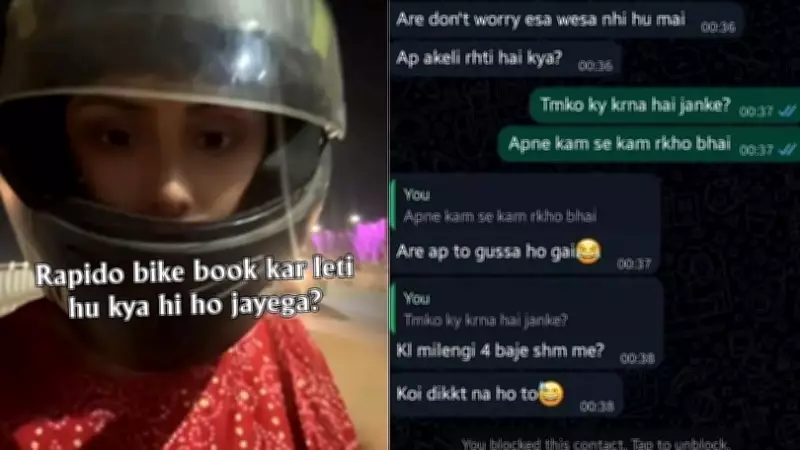
The incident came to light when a video was shared on social media, capturing the woman's experience. The video included overlaid text that read, "Rapido bike book kar leti hu kya hi ho jayega? (I'll just book a Rapido bike, what could possibly go wrong?)." This caption highlighted the irony and fear associated with using such services, despite their convenience.
According to reports, the woman had booked a Rapido bike taxi for a routine trip in Ghaziabad. After the ride was completed, the captain allegedly used her contact information, obtained through the app, to send her personal WhatsApp messages. The messages reportedly included inquiries such as "Aap akeli rehti hai? (Do you live alone?)", which are deeply invasive and raise alarms about potential misuse of customer data.

Company Response and Safety Measures
Rapido, the bike taxi company, has responded to the incident, acknowledging the breach of trust. In a statement, the company emphasized its commitment to user safety and data privacy. They stated that they are investigating the matter thoroughly and have taken immediate action against the captain involved, including suspending his services pending further review.
The company also reiterated its policies designed to protect users, such as anonymizing contact details during rides and prohibiting captains from contacting customers outside the app. However, this incident has exposed potential loopholes or violations of these protocols, leading to calls for stricter enforcement and transparency.
Broader Implications for Women's Safety and Data Privacy
This event has sparked a broader discussion on several critical issues:
- Women's Safety: Incidents like this underscore the vulnerabilities women face when using ride-hailing services, especially in solo travel scenarios. It highlights the need for robust safety features, such as real-time tracking, emergency buttons, and verified driver backgrounds.
- Data Privacy: The unauthorized use of customer data by service providers is a growing concern. This case raises questions about how companies like Rapido handle and protect personal information, and what measures are in place to prevent misuse.
- Regulatory Oversight: There are calls for stronger regulations and oversight in the bike taxi sector to ensure compliance with safety and privacy standards, protecting consumers from similar breaches.
Social media reactions have been swift, with many users sharing their own experiences and demanding accountability. The viral nature of the video has amplified the message, putting pressure on companies to prioritize user security.
Conclusion and Future Steps
As Rapido continues its investigation, this incident serves as a stark reminder of the challenges in balancing convenience with safety in the digital age. It is crucial for companies to not only implement but also rigorously enforce policies that safeguard users. For consumers, staying vigilant and reporting any suspicious behavior is key to fostering a safer environment.
The outcome of this case may influence industry-wide practices, potentially leading to enhanced safety protocols and greater transparency in data handling. Until then, the focus remains on ensuring that such breaches do not recur, and that trust in ride-hailing services is restored.