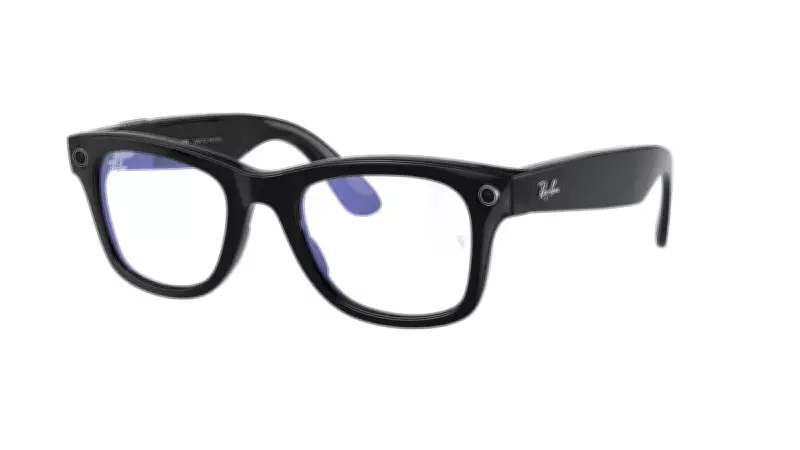
Meta has unveiled a new generation of AI-powered smart glasses that can continuously capture audio and images, raising significant privacy concerns among experts and users alike. The always-on recording capability marks a major shift from previous models that required manual activation for each capture.
Always-On Recording Capability
The smart glasses, which integrate Meta's advanced artificial intelligence, are designed to seamlessly document the wearer's environment without the need for voice commands or button presses. According to Meta, the feature aims to provide a hands-free experience, allowing users to capture moments spontaneously. However, privacy advocates warn that the constant recording could lead to widespread surveillance and data misuse.
Meta stated in a blog post that the glasses use on-device AI to process data locally, reducing the risk of unauthorized access. The company also emphasized that users will have control over when and how data is stored or shared. Despite these assurances, critics argue that the mere presence of always-on recording devices in public spaces could chill free speech and normalize invasive monitoring.

Privacy Concerns and Expert Reactions
"The continuous capture of audio and images by Meta's smart glasses represents a significant escalation in the erosion of privacy," said Dr. Elena Torres, a digital ethics researcher at the University of California. "Even if data is processed on-device, the potential for abuse is immense, especially if these devices become widespread."
Meta's announcement comes amid growing scrutiny of tech companies' data practices. The glasses are expected to be available in limited quantities later this year, with a broader rollout in 2027. The company has not disclosed pricing or specific launch markets.
Technical Specifications and Data Handling
The smart glasses are equipped with multiple cameras and microphones, enabling 360-degree audio capture and high-resolution image recording. Meta claims that the AI can intelligently filter irrelevant data, only saving meaningful moments. However, the device's ability to record continuously raises questions about consent and transparency, particularly in private settings.
To address privacy concerns, Meta has introduced a visual indicator—a small LED light that illuminates when recording is active. But privacy experts argue that such indicators can be easily overlooked or disabled, undermining their effectiveness. "A tiny light is not sufficient to alert everyone in the vicinity that they are being recorded," noted the American Civil Liberties Union (ACLU) in a statement.
Regulatory and Legal Implications
The launch of these glasses could prompt new regulations around wearable recording devices. In the European Union, strict GDPR rules already require explicit consent for data collection, which could complicate the glasses' adoption. Similarly, several U.S. states have laws against recording without consent in private spaces.
Meta has stated it is working with regulators to ensure compliance, but the always-on nature of the glasses may challenge existing legal frameworks. The company faces a delicate balance between innovation and user trust, as previous privacy scandals have already damaged its reputation.
Market Impact and Future Outlook
Despite privacy concerns, the smart glasses market is projected to grow significantly, with analysts predicting a compound annual growth rate of over 18% through 2030. Meta's entry into continuous capture could set a precedent for competitors like Apple and Google, who are also developing augmented reality wearables.
Meta's CEO Mark Zuckerberg has defended the product, stating that it represents the next step in human-computer interaction. "These glasses will enable new forms of creativity and connection," he said in a press release. However, the controversy underscores the tension between technological advancement and fundamental privacy rights.