In a significant policy reversal, the Indian government has withdrawn its controversial directive that mandated smartphone manufacturers to pre-install the state-run Sanchar Saathi cybersecurity application on all new devices. The decision, announced on Wednesday, December 3, 2025, comes after widespread criticism from opposition politicians, privacy advocates, and global technology giants who raised alarms over potential surveillance.
Government's Swift U-Turn Amid Growing Protests
The Ministry of Communications officially stated that it has decided not to make the pre-installation mandatory for mobile manufacturers. This announcement marks a stark turnaround from the government's position just a day earlier, when ministers were vigorously defending the plan. They had argued that the non-removable app was designed solely to help track and block stolen phones, preventing their misuse by criminal elements.
According to the government's Wednesday statement, the app is secure and purely meant to help citizens from bad actors in the cyber world. Officials claimed the decision to backtrack was taken because the application was already gaining significant popularity organically, citing data that showed a 13% jump in daily downloads to 78,000 on Monday.

Pressure from Tech Giants and Political Opposition
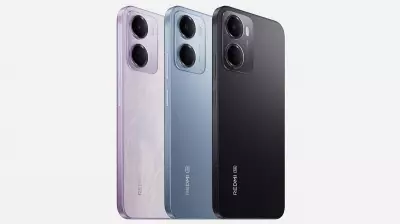
The initial order, which Reuters first reported on Monday, was privately communicated to companies including Apple, Samsung, and Xiaomi on November 28. It gave them a 90-day window to comply. However, the directive immediately sparked fierce resistance.
Sources revealed that Apple and Samsung had plans to not comply with the mandate, putting the government at odds with major players in the smartphone industry. Simultaneously, political opposition intensified. Senior Congress leader Randeep Singh Surjewala submitted a notice to Parliament demanding clarity on the legal authority for mandating a non-removable app and called for a debate on the associated privacy and security risks.
Surjewala warned of a grave, serious and real apprehension that such a compulsorily installed app could contain a backdoor, absolutely compromising the data and privacy of the user. This sentiment was echoed by newspaper editorials and digital rights groups across the country.
A Pattern of Reversals and Global Context
This episode represents another embarrassing policy reversal for Prime Minister Narendra Modi's government within a year. It follows a similar withdrawal of a proposed laptop import licensing policy after lobbying by U.S. officials.
The Free speech rights group Internet Freedom Foundation (IFF) welcomed the government's move but stated it was awaiting a formal legal order detailing the decision. Industry experts noted that Modi's plan had little precedent globally, with Russia being a rare example. In August, Moscow ordered the pre-installation of a state-backed messenger app, MAX, on all mobile devices—a move critics say enables user tracking.
This is not the first time the Modi administration has faced criticism over privacy issues. In 2020, it encountered strong pushback for making a COVID-19 contact-tracing app compulsory for office workers, a measure that was later diluted to a mere request following protests from privacy advocates.
The swift withdrawal of the Sanchar Saathi preload order underscores the growing power of coordinated resistance from civil society, political opposition, and international tech corporations in shaping India's digital policy landscape.