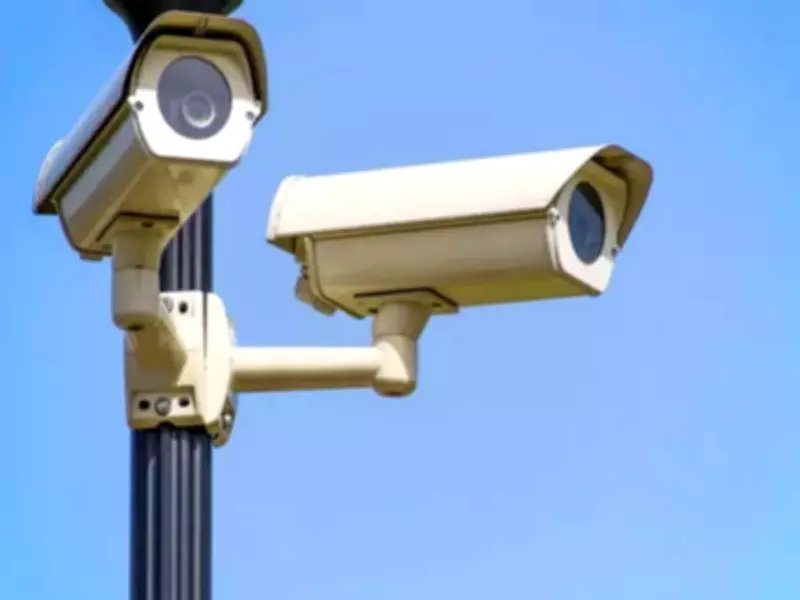
India Enforces Ban on Chinese CCTV Giants Hikvision and Dahua
In a significant move to bolster digital security, the Indian government has effectively barred Chinese video surveillance giants Hikvision and Dahua from selling internet-connected CCTV cameras in the country, effective April 1. According to a report by The Economic Times, the government has refused to certify products manufactured in China or those utilizing Chinese chipsets under the newly implemented Standardisation Testing and Quality Certification (STQC) regulations.
Market Shift: Indian Brands Seize Control
Industry executives assert that this decision will exclude Chinese brands from the rapidly expanding Indian CCTV market, where they previously accounted for nearly one-third of total sales. The void left by Hikvision and Dahua has been swiftly occupied by domestic manufacturers, including CP Plus, Qubo, Prama, Matrix, and Sparsh. These companies have adapted by shifting their supply chains to Taiwanese chipsets and localizing firmware.
As of February, data from Counterpoint Research reveals that Indian firms now command over 80% of the market. CP Plus, in particular, has seen its market share surge to 45–50%, a substantial increase from its previous 20–25% before the regulatory changes took effect.

Global Competition Intensifies
While Indian brands dominate the mainstream segment, international players like Bosch and Honeywell have captured the high-end market. Smaller traders and smartphone brands such as Xiaomi and Realme, which once offered smart home cameras, have exited the category after failing to obtain the necessary certification.
The ET report further details that Hikvision, once the market leader, was denied certification for a massive factory capable of producing two million cameras per month. To sustain operations, Hikvision has been compelled to explore joint ventures with Indian partners. Meanwhile, Dahua has experienced an 80% contraction in its business, now limited to selling analog cameras that are rapidly becoming obsolete.
Cost Implications and Price Pressures
The transition away from Chinese suppliers has led to increased production costs. Analysts estimate a 15–20% rise in the bill of materials (BoM), particularly for mid- and high-end models where Taiwanese and U.S. chipsets are significantly more expensive than their Chinese counterparts.
Although prices in the lower-end segment have remained stable due to localized production efforts, the premium segment has witnessed sharp price hikes, potentially affecting affordability for businesses and institutions upgrading to certified systems.
Strategic Implications for India
This ban represents a strategic victory for Indian manufacturers, who now dominate a market once controlled by Chinese entities. It aligns with India's broader initiatives to enhance digital security and achieve supply chain independence. However, the associated higher costs may pose challenges to affordability, especially for entities seeking to adopt certified surveillance systems.